The First Time I Screwed This Up…
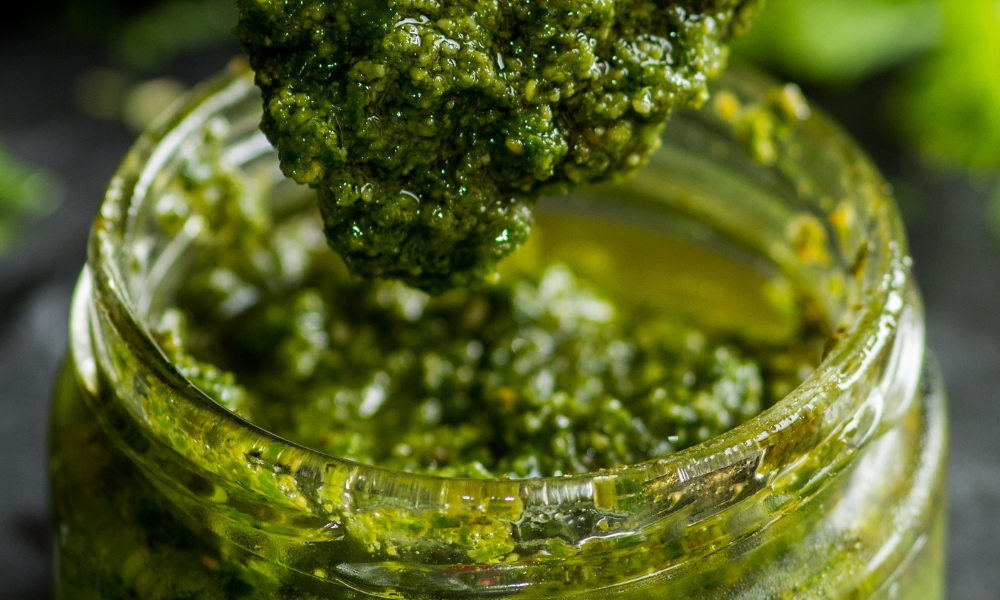
I thought pesto was just “green sauce.” Threw basil, oil, garlic, and parmesan into the blender and called it done. The result? A bitter, greasy, brown sludge that clung to pasta like wet lawn clippings. I didn’t toast the nuts, I dumped in the cheese early, and I blitzed the basil into oblivion.
Then I saw how Ramsay treats it. He builds pesto like a sauce—step by step. Toasted pine nuts first. Garlic next. Basil gets pulsed, not puréed. Oil goes in slow, not all at once. Cheese gets folded in after the blend.
Turns out pesto isn’t just a condiment. It’s a sauce that deserves respect.
Why This Works (And Where Most Go Wrong)
Most bad pesto comes down to:
- Over-blending the basil – It oxidizes and turns dark or bitter.
- Raw pine nuts – No toast = flat flavor.
- Dumping all ingredients together – You lose texture and balance.
- Cheap olive oil – Brings harsh bitterness instead of depth.
Ramsay’s approach avoids all of it. He pulses each element, builds in stages, and finishes by hand.
Ingredients That Actually Matter
- ½ cup pine nuts (70g) – Toasted in a dry pan for real depth.
- 2 garlic cloves, peeled – Adds edge. Don’t go overboard.
- 2 cups fresh basil leaves (about 50g) – Only the leaves. No stems, no wilted greens.
- ½ cup extra-virgin olive oil (120ml) – Good-quality only. It carries the whole flavor.
- ¼ cup grated parmesan cheese (25g) – Use real Parmigiano Reggiano, grated fine.
- Salt – To taste. Add at the basil stage and adjust at the end.
How To Make Gordon Ramsay Basil Pesto
Toast the pine nuts: Heat a dry pan over medium. Add pine nuts and toss constantly for 2–3 minutes until golden. Set aside to cool.
Blend the nuts: Add cooled pine nuts to a food processor and pulse into a rough paste.
Add garlic: Drop in peeled garlic cloves and blend again until smooth.
Add basil + salt: Add basil leaves and a pinch of salt. Pulse in short bursts—don’t run the motor too long or the basil will oxidize and brown.
Stir in cheese and oil: Transfer mixture to a bowl. Stir in grated parmesan cheese. Slowly drizzle in olive oil while whisking to emulsify.
Taste and adjust: Add salt if it’s flat. Add more cheese if it needs bite. A squeeze of lemon juice can lift it, but isn’t traditional.
What Gordon Ramsay Says About This Dish
“Basil is delicate. Treat it like a fresh herb—not a root veg.”
→ That’s why he pulses, not blends. It’s about control.
“Toasting the pine nuts gives you that rich, warm edge.”
→ The first time I tried it, the pesto stopped tasting raw. It actually had body.
“Don’t dump in the cheese and oil too early. You’ll kill the balance.”
→ Stirring them in by hand gave me texture instead of sludge.
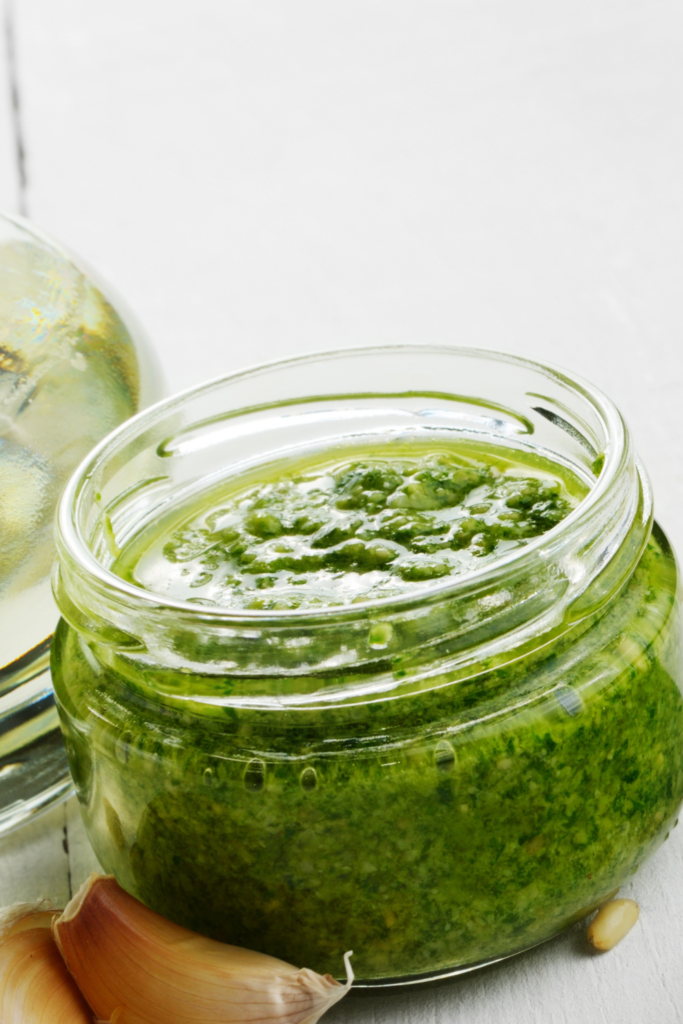
“Pesto should cling. Not run.”
→ When the texture’s right, it coats pasta like silk.
What I Got Wrong (And How I Fixed It)
- Over-blended basil → Turned brown. Now I pulse in short bursts.
- Skipped toasting nuts → Flavorless. Now I toast pine nuts until just golden.
- Added cheese to blender → It got clumpy. Stirring it in by hand keeps it smooth.
- Used bitter olive oil → Upgraded to cold-pressed, fruity EVOO. Total difference.
Variations That Actually Hold Up
Spinach blend – Add ½ cup baby spinach to extend basil and keep color.
Nut swap – Walnuts, cashews, or almonds all work if toasted first.
Vegan version – Use 2 tbsp nutritional yeast and a pinch of miso instead of cheese.
Citrus pop – A squeeze of lemon juice at the end brightens the flavor.
🚫 Don’t use dried basil. Ever. It’ll ruin everything.
Pro Tips That Change the Game
- Use a mortar and pestle for a more rustic version—traditional, but slower.
- Cover leftovers with olive oil to prevent browning in the fridge.
- Add a spoonful of pasta water when mixing with hot pasta—it makes it cling better.
- Freeze in ice cube trays for quick portions later—great for meal prep.
Storage + Leftover Moves
- Fridge: 1 week in a sealed jar. Cover with oil to prevent browning.
- Freezer: Up to 3 months. Use ice cube trays or spoon into bags.
- Reheat: Don’t heat pesto directly—just warm gently with pasta or stir into hot rice, eggs, or soup.
FAQs – Covering Search Intent
Q: Can I make pesto without pine nuts?
A: Yes—walnuts, almonds, cashews all work. Just toast them first.
Q: Why did my pesto turn brown?
A: Over-blending or air exposure. Pulse basil, and cover leftovers with oil.
Q: Can I use a blender instead of a food processor?
A: Yes, but blend in short pulses and scrape down the sides often. Avoid high-speed blending.
Q: Can I make this vegan?
A: Definitely. Use nutritional yeast and a pinch of white miso for cheesy depth.
Q: What’s the best way to use pesto?
A: Toss with hot pasta, smear on toast, mix into mayo, drizzle on grilled veg, or use as pizza base.
Try More Recipes:
- Gordon Ramsay Spinach Artichoke Dip Recipe
- Caramelized Onion Everything Dip
- Gordon Ramsay Salmon Ceviche Recipe

Gordon Ramsay Basil Pesto Recipe
Course: SauceCuisine: ItalianDifficulty: Easy4
10
minutes3
minutes92
kcalBright, creamy, and full of bold flavor—this basil pesto is built the right way: layer by layer, not just blended into green sludge. Perfect for pasta, sandwiches, or spooned onto roasted veg.
Ingredients
½ cup (70g) pine nuts
2 garlic cloves, peeled
2 cups (about 50g) fresh basil leaves
¼ cup (25g) finely grated parmesan cheese
½ cup (120ml) extra-virgin olive oil
Salt, to taste
Directions
- Toast pine nuts in a dry skillet over medium heat for 2–3 minutes until golden and fragrant. Let cool.
- Add toasted pine nuts to a food processor. Pulse into a coarse paste.
- Add garlic and pulse again until smooth.
- Add basil leaves and a pinch of salt. Pulse in short bursts until bright green and just broken down—don’t over-blend.
- Transfer mixture to a bowl. Stir in grated parmesan cheese.
- Slowly whisk in olive oil until fully combined and emulsified.
- Taste and adjust salt as needed.
Notes
- Toast the Nuts: Toasting pine nuts brings out their depth and keeps the pesto from tasting raw.
- Pulse, Don’t Blend: Over-blending bruises basil and turns the pesto dark. Pulse in short bursts to keep it vibrant.
- Use Good Olive Oil: Cheap oil makes the sauce bitter. Use high-quality extra virgin for best results.
- Finish by Hand: Stir in cheese and oil manually for better texture and separation.
- Store Smart: Cover with olive oil in a sealed container to prevent browning in the fridge.
Zaytouna Studio Team is the kitchen team behind Chef Ramsay Recipes. We cook Gordon Ramsay’s recipes from his cookbooks and videos in a home kitchen and write them up for yours, with US and metric measurements.