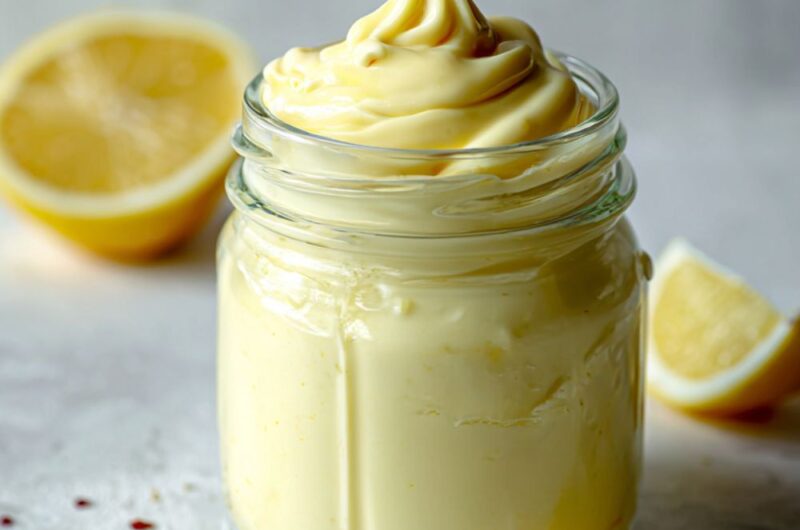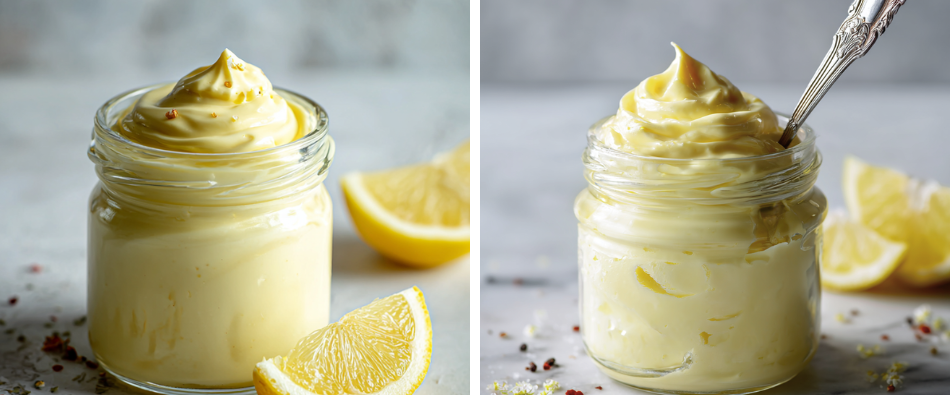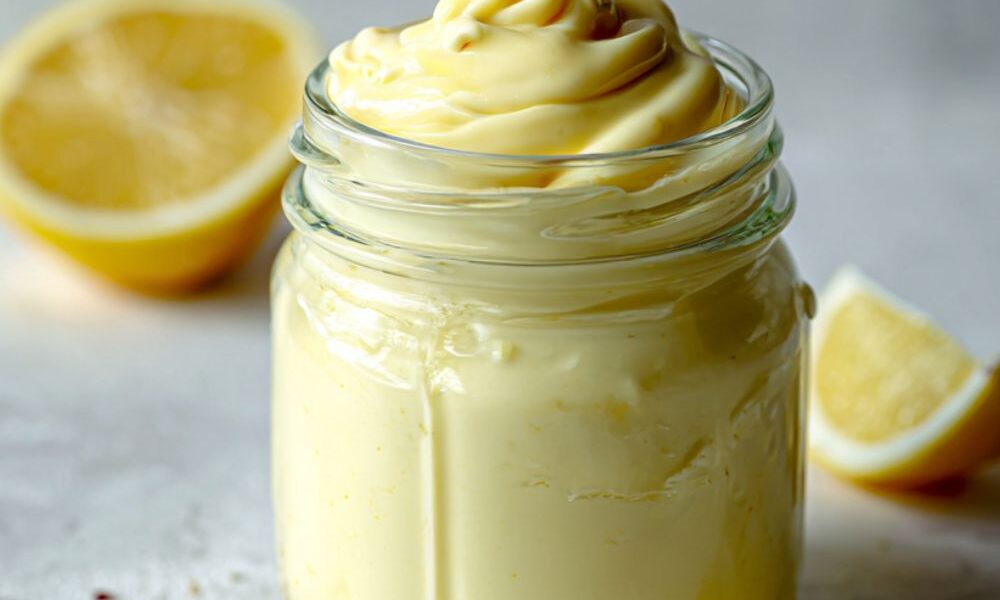

The first time I tried making mayo at home, I ended up with a bowl of greasy liquid. But Gordon’s method—patience, control, and trusting the process—is the secret to silky, stable mayonnaise every time. It’s a foundational recipe, just like a classic Hollandaise sauce, and a technique every home cook should master.
Why This Recipe Is a Win
- Uses room temperature ingredients: This is the number one key to a stable, unbreakable emulsion that won’t split.
- Starts with a slow drizzle of oil: Guarantees the mayonnaise will thicken properly from the very beginning.
- Perfectly balanced flavor: The richness of the egg yolks is perfectly cut with bright acidity from vinegar or lemon.
- Includes a simple fix for split mayo: Never waste a batch again with our easy warm water rescue tip.
Mayonnaise Ingredients
- 2 egg yolks, room temperature
- 1 tbsp Dijon mustard
- 250ml sunflower oil (or other neutral oil)
- 2 tsp white wine vinegar or lemon juice
- Salt and pepper, to taste
How To Make Gordon Ramsay Mayonnaise Recipe
- Prepare the Base: In a medium bowl with a damp cloth placed underneath to prevent slipping, whisk the room-temperature egg yolks and Dijon mustard together. Continue whisking until the mixture is smooth, combined, and slightly pale in color. Season with a generous pinch of salt and pepper.
- Build the Emulsion: This is the most critical step. While whisking constantly and vigorously, begin adding the sunflower oil just a few drops at a time. Do not rush this process. You should see the mixture start to thicken and emulsify almost immediately, creating a glossy base.
- Stream in Remaining Oil: Once the mayonnaise looks glossy and has clearly started to thicken, you can slowly increase the oil flow to a very thin, steady stream. Continue whisking energetically until all the oil has been incorporated and the mayonnaise is thick, smooth, and holds its shape.
- Finish and Season: Finally, whisk in the white wine vinegar or lemon juice. This will lighten the flavor and slightly loosen the texture. Taste the finished mayonnaise and adjust the seasoning with more salt, pepper, or acid as needed to suit your preference.
Ingredient Substitutions
- Best Oil to Use: For a clean, classic flavor, use a neutral oil like sunflower, canola, or grapeseed. For a mild, fruity note, a light-tasting olive oil or avocado oil can be used. Avoid strong, extra-virgin olive oil as it can become bitter when whisked.
- Acid: White wine vinegar provides a clean, sharp tang, while fresh lemon juice adds a brighter, more vibrant citrus note.
- Mustard: Dijon is classic for its sharp flavor and emulsifying properties, but wholegrain mustard can be used if you prefer more texture.
Serving & Storage Tips
- Serving Ideas: This mayonnaise is perfect for sandwiches, burgers, or wraps. Use it as a base for an incredible potato salad, chicken salad, or a classic coleslaw. It’s also an essential dip for french fries and fried fish.
- Flavor Variations: Stir in minced garlic for Aioli, fresh herbs like dill or chives, or sriracha for a spicy kick. For a classic steak accompaniment, add finely chopped fresh tarragon.
- Storage: Store in a sealed jar or airtight container in the refrigerator for up to 4 days. Because it contains raw egg yolks, it does not have a long shelf life. Do not freeze.

Alternative Cooking Methods
- Using an Immersion Blender (Bamix): For a nearly foolproof method, add all ingredients to a tall, narrow container or jar that just fits the head of the blender. Place the blender head at the very bottom, turn it on, and blend for 10-15 seconds without moving it. Once you see a thick white emulsion form at the bottom, slowly tilt and lift the blender to incorporate the remaining oil.
- Using a Food Processor: In the bowl of a food processor, add the egg yolk and mustard and pulse to combine. With the machine running on low, slowly drizzle the oil through the feed tube in a very thin stream until the mayonnaise is thick and emulsified. Pulse in the vinegar or lemon juice at the end.
More Homemade Sauces and Dips
Classic Emulsified Sauces
- Gordon Ramsay Hollandaise Sauce — Master another iconic egg yolk-based sauce, perfect for eggs Benedict or asparagus.
- Gordon Ramsay Béarnaise Sauce — A rich, aromatic sauce and the ultimate partner for a perfectly cooked steak.
- Gordon Ramsay Tartar Sauce — A creamy, tangy, and chunky sauce that is essential for any fish and chips night.
- Gordon Ramsay Caesar Dressing — Create the classic, savory dressing from scratch for an unbeatable Caesar salad.
Dishes to Serve with Mayonnaise
- Gordon Ramsay Fish and Chips — Nothing beats crispy battered fish and homemade chips served with a dollop of fresh mayo.
- Gordon Ramsay Burger Seasoning — Elevate your burgers with the perfect seasoning, then finish with this creamy mayonnaise.
- Gordon Ramsay Chicken Salad — Use your homemade mayo as the base for a truly next-level chicken salad sandwich.
- Gordon Ramsay French Fries — Serve a bowl of crispy, golden fries with your fresh mayonnaise for the ultimate dipping experience.
FAQs About Mayonnaise
What is the best oil for homemade mayonnaise?
A neutral oil like sunflower, canola, or grapeseed is best for a clean, classic taste. Light-tasting olive oil or avocado oil can also be used for a fruitier flavor, but avoid strong extra-virgin olive oil which can turn bitter.
How do I fix split mayonnaise?
To fix a broken mayonnaise, place a fresh egg yolk or one teaspoon of warm water in a clean bowl. Whisking constantly, slowly drizzle the split mayonnaise mixture into the new yolk, a little at a time, until the emulsion comes back together.
Why did my homemade mayonnaise not thicken?
The most common reason mayonnaise doesn’t thicken is adding the oil too quickly at the start. It’s crucial to add the oil drop by drop until the emulsion forms before increasing to a thin stream. Using cold ingredients can also prevent it from thickening properly.
Can I make this recipe with an immersion blender?
Yes, an immersion blender is a fast and easy way to make mayonnaise. Simply combine all ingredients in a tall cup, place the blender at the bottom, and blend until it emulsifies before slowly pulling the blender up to incorporate all the oil.
How long does homemade mayonnaise last in the fridge?
Stored in an airtight container, homemade mayonnaise will last for 3 to 4 days in the refrigerator. Because it contains raw egg yolks, it should not be kept longer than this for safety.
Gordon Ramsay Mayonnaise Recipe
Course: Side Dishes1
servings10
110
kcalRich, silky, and loaded with flavor — this homemade mayonnaise shows that patience and good technique beat any store-bought jar. Once you taste it, there’s no going back.
Ingredients
2 egg yolks, room temperature
1 tbsp Dijon mustard
250ml sunflower oil
2 tsp white wine vinegar or lemon juice
Salt and pepper, to taste
Directions
- Combine the Base: In a medium bowl, whisk together the egg yolks and Dijon mustard until fully combined and smooth. Season with a pinch of salt and pepper.
- Start the Emulsion: Whisking continuously, add the oil drop by single drop. As the mixture begins to thicken, continue adding the oil in a very thin, slow, and steady stream.
- Whisk Until Thick: Continue whisking vigorously until all oil is incorporated and the mayonnaise is thick, pale, and glossy.
- Finish with Acid: Whisk in the white wine vinegar or lemon juice until combined. Taste and adjust seasoning as necessary before serving.
Notes

I’m Ava Taylor. I’m A Self-taught Home Cook Who Loves Gordon Ramsay Recipes. I Try Every Dish In My Small Apartment Kitchen And Tweak It Until It Works. I Write Clear Steps With Simple Words So Anyone Can Follow. I Share Honest Wins, Mistakes, And Quick Tips To Help You Cook With Confidence.