

The First Time I Screwed This Up…
I thought marinara sauce was just tomatoes and heat.
Dump some canned tomatoes into a pot, maybe sprinkle a little garlic, and call it sauce.
The result?
Watery, bland, acidic sludge that tasted like it came straight from a school cafeteria.
I didn’t simmer. I didn’t layer flavors. I didn’t balance acid with fat or herbs.
Then I saw how Gordon builds it — fast but smart — and it finally made sense:
Marinara is about building layers quickly.
Sauté the aromatics. Blend for smoothness. Simmer until the sauce tightens up and deepens in flavor.
It’s not fancy. It’s intentional.
Why This Works (And Where Most Go Wrong)
Common marinara disasters happen because:
- Rushing it: Without simmering, flavors don’t meld. You get raw, sharp sauce.
- No fat balance: Without enough olive oil, the sauce stays acidic and harsh.
- Dumping ingredients randomly: Without order, you miss out on building depth.
- Overcooking garlic: Burnt garlic ruins the entire batch with bitterness.
Gordon’s approach fixes it:
- Quick blending: A smooth base that soaks up flavor fast.
- Proper sautéing: Softens onions without burning garlic.
- 30-minute simmer: Deepens the sauce without making it heavy.
- Wine deglaze: Lifts up all the caramelized flavor bits from the pan.
Ingredients That Actually Matter
- 410g stewed tomatoes – Stewed, not raw, for that gentle, sweet acidity.
- 170g tomato paste – Adds rich, concentrated tomato flavor.
- 4 tbsp fresh parsley – Brightens and freshens everything.
- 1 clove garlic, minced – Aromatic backbone.
- 1 tsp dried oregano – Earthy, classic Italian base note.
- 1 tsp salt – Don’t skimp — tomatoes love salt.
- ¼ tsp black pepper – Adds gentle heat.
- 6 tbsp olive oil – Rounds out acidity and carries flavor.
- 50g finely diced onion – Sweetness and aroma.
- 120ml white wine – Brightens and balances richness.
How To Make Gordon Ramsay Marinara Sauce
1. Blend the Base:
In a food processor, combine stewed tomatoes, tomato paste, parsley, garlic, oregano, salt, and pepper. Blend until smooth.
2. Sauté the Onion:
In a large skillet, heat olive oil over medium heat.
Add diced onion and cook for 2 minutes until slightly softened — not browned.
3. Build the Sauce:
Pour the blended tomato mixture into the skillet with the onions.
4. Add the Wine:
Stir in the white wine, scraping up any brown bits from the pan.
5. Simmer:
Reduce the heat and let the sauce simmer gently for about 30 minutes. Stir occasionally until thickened and rich.
6. Serve:
Use immediately over pasta, pizza, or anywhere you want a real punch of tomato flavor.
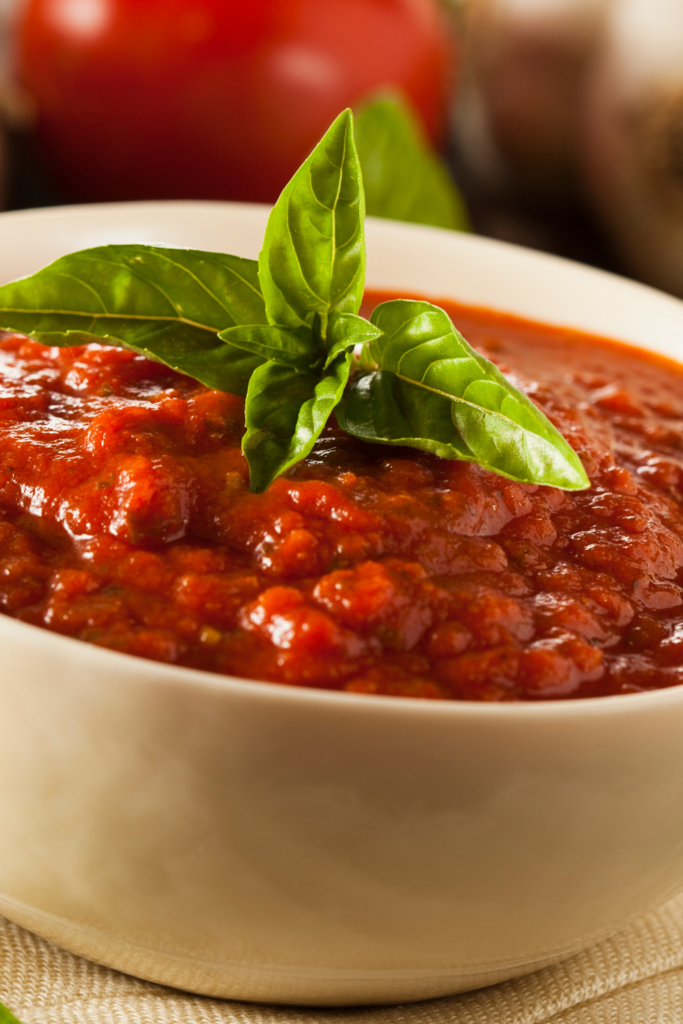
What Gordon Ramsay Says About This Dish
“You can’t rush flavor.”
Even a quick sauce needs time to simmer so the flavors connect.
“Cook the onions gently.”
No color, no bitterness. You want them soft and sweet to start.
“The wine isn’t just booze — it’s seasoning.”
It balances the fat, salt, and acid without making the sauce heavy.
“Blend your base first.”
It saves time and gives a smooth, luxurious texture without overcooking.
What I Got Wrong (And How I Fixed It)
- Didn’t sauté properly: Now I soften onions before anything else.
- No wine deglaze: Now I always add wine — it lifts all that hidden flavor.
- Skipped the blending: No more chunky bits — just silky smooth sauce.
- Didn’t simmer long enough: Now I let it go the full 30 minutes, no shortcuts.
Variations That Actually Hold Up
- Spicy Marinara: Add a pinch of crushed red pepper flakes with the garlic.
- Herb Boost: Toss in a sprig of basil or thyme while simmering.
- Smoky Version: Add a pinch of smoked paprika for a deeper flavor.
- Roasted Marinara: Roast fresh tomatoes and garlic first, then blend and simmer.
🚫 Don’t use raw canned tomatoes straight.
They need a little simmer love to taste real.
Pro Tips That Change the Game
- Blend first: Saves you time later and makes a clean, fast sauce.
- Use a wide pan: More surface area = faster evaporation and better thickening.
- Taste at the end: Tomatoes vary — salt and acid will need adjusting.
- Fresh parsley at the end: Keeps the sauce bright, not heavy.
Storage + Leftover Moves
- Refrigerate: Cool and store in an airtight container for up to 5 days.
- Freeze: Portion into bags or containers and freeze for up to 3 months.
- Reheat: Simmer gently in a saucepan, stirring occasionally.
Bonus Tip: Use leftover sauce as a base for tomato soup, shakshuka, or a quick pizza sauce!
FAQs – Covering Search Intent
Q: Can I use crushed tomatoes instead of stewed?
A: Yes, but your sauce will be a bit sharper. Add a pinch of sugar to balance.
Q: What wine is best?
A: Dry white wine like Sauvignon Blanc or Pinot Grigio.
Q: Can I add meat to this?
A: Absolutely — brown some ground beef or sausage before adding the sauce.
Q: How do I make it thicker?
A: Simmer uncovered until it reduces to your desired thickness.
Q: Can I make this vegan?
A: It already is! Just use a vegan wine (most dry whites are).
Try More Recipes:

Gordon Ramsay Marinara Sauce Recipe
Course: Side DishesCuisine: ItalianDifficulty: Easy6
servings5
minutes30
minutes70
kcalRich, bright, and full of deep tomato flavor — this quick homemade marinara sauce is perfect for pasta, pizza, or anything that needs a bold, savory finish.
Ingredients
410g stewed tomatoes
170g tomato paste
4 tablespoons chopped fresh parsley
1 clove garlic, minced
1 teaspoon dried oregano
1 teaspoon salt
¼ teaspoon ground black pepper
6 tablespoons olive oil
50g finely diced onion
120ml white wine
Directions
- Blend the stewed tomatoes, tomato paste, parsley, garlic, oregano, salt, and black pepper in a food processor until smooth.
- Heat olive oil in a large skillet over medium heat. Add diced onion and cook for 2 minutes until slightly softened.
- Stir in the blended tomato mixture and pour in the white wine. Scrape the bottom of the pan to deglaze.
- Reduce heat and simmer gently for 30 minutes, stirring occasionally, until the sauce thickens.
- Taste and adjust seasoning if needed. Serve warm over pasta or use as desired.
Notes
- Blend First: Blending the sauce base before cooking saves time and guarantees a smooth texture.
- Deglaze with Wine: White wine lifts all the flavor from the pan for a richer sauce.
- Simmer Gently: Low and slow thickens the sauce naturally without burning it.
- Fresh Herbs Boost: Toss in fresh basil or thyme during the last few minutes for an extra layer of flavor.

Zaytouna Studio Team is the kitchen team behind Chef Ramsay Recipes. We cook Gordon Ramsay’s recipes from his cookbooks and videos in a home kitchen and write them up for yours, with US and metric measurements.