
The First Time I Screwed This Up…
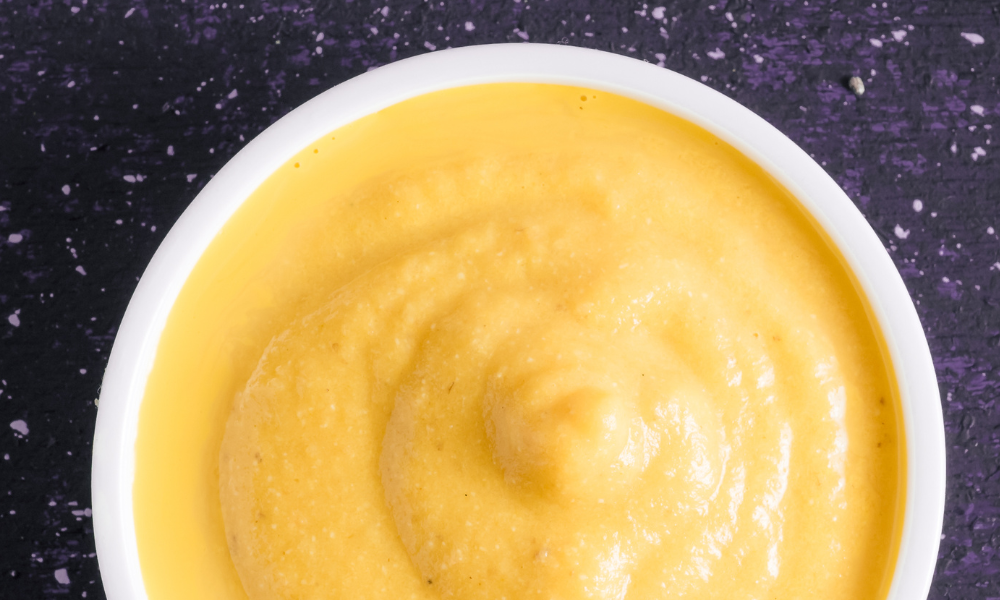
I still remember the first time I tried making hollandaise — it was a total mess.
Thought I could just melt butter, whip it into yolks, and call it a day.
Instead, I ended up with a broken, watery scramble that looked like oily scrambled eggs.
It didn’t just fail — it failed loudly.
What Gordon made me realize?
It’s not about rushing. It’s about coaxing an emulsion into existence.
When you give it the right heat, the right pace, and the right respect, you get a sauce that’s silky, rich, and shockingly easy once you know the moves.
Why This Works (And Where Most Go Wrong)
Gordon’s method works because he’s brutally disciplined about:
- Temperature: Butter has to be hot, but not scalding. Yolk needs gentle heat, not direct fire.
- Control: Butter must go in slowly. Steady stream. No panic.
- Balance: Lemon, mustard, cayenne — all tiny touches that transform the butter’s richness into something bright and craveable.
Where most people fail:
- Dumping all the butter in at once = split sauce.
- Butter too cold = yolks never emulsify.
- Overheating the yolk mix = scrambled egg sauce. (The horror.)
Ingredients That Actually Matter
- 3 egg yolks: Fresh, vibrant yolks make a world of difference.
- 1 tbsp lemon juice: Brightness that cuts through the richness.
- 1 tsp Dijon mustard: Subtle sharpness and backbone.
- ¼ tsp salt: Wakes up all the flavors.
- Pinch of cayenne pepper: Tiny background heat — optional but magical.
- 115g unsalted butter or ghee, melted and hot: The life of the sauce.
Optional but tested:
- Use clarified butter for an even cleaner finish.
- Add a pinch of white pepper if you want a slightly earthy snap.
How To Make Gordon Ramsay Hollandaise Sauce
First, melt the butter.
You can microwave it (covered) for about 1 minute until hot, or melt it gently in a small pot on the stove.
Hot but not boiling — aim for just-steaming butter.
While the butter’s heating, toss your egg yolks, lemon juice, Dijon mustard, salt, and a pinch of cayenne into a high-powered blender.
Blend for about 5 seconds just to combine.
Now comes the critical moment:
With the blender running on medium-high speed, very slowly start pouring the hot melted butter into the yolk mixture.
Trickle it in. Think tiny stream, not waterfall.
If you rush it, the sauce will split.
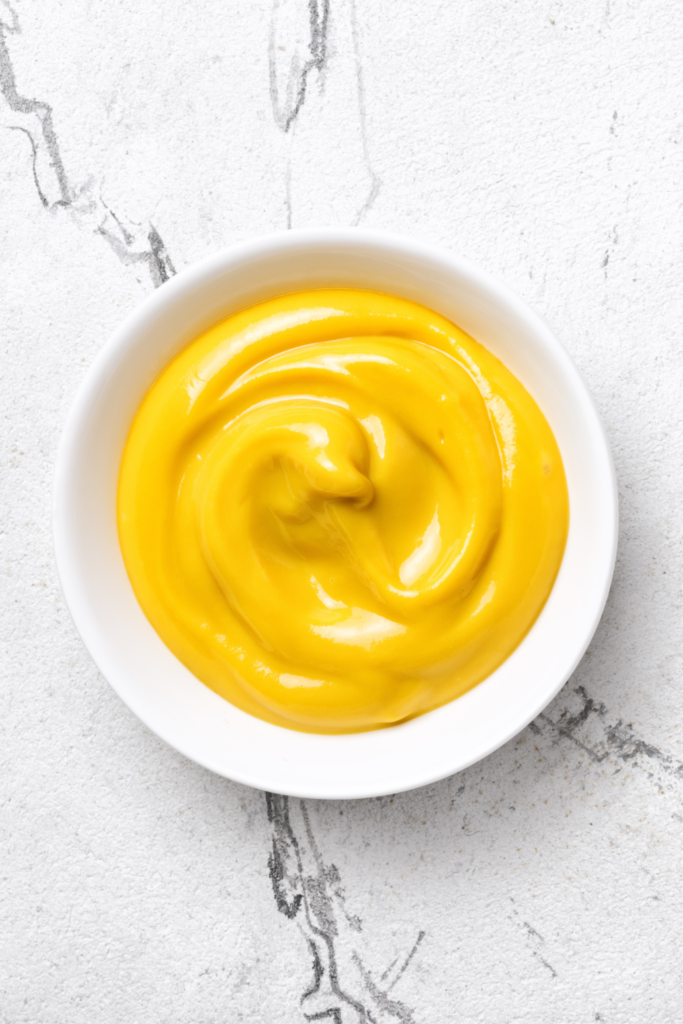
Keep blending until the sauce thickens and turns creamy, smooth, and luscious.
You’ll feel it change under the blender’s pulse — it thickens up fast once it starts going right.
Taste it.
Adjust with a little more lemon juice or salt if needed.
Pour into a warm bowl and serve immediately over eggs, veggies, fish — or let’s be honest, just eat it with a spoon if no one’s watching.
What Gordon Ramsay Says About This Dish
“Hollandaise is all about discipline and timing.”
It’s not hard once you respect the process. Rush it and you’ll know immediately.
“Warm, not boiling.”
Both butter and yolks respond to gentle heat. Treat it like you’re raising a sauce, not frying an egg.
“Taste and tweak.”
You can add a little more lemon, a touch more salt, a hint more cayenne. But do it after emulsifying — not during.
“Serve fresh.”
Hollandaise waits for no one. It’s best warm and immediate.
What I Got Wrong (And How I Fixed It)
- Added butter too fast: Split sauce disaster. Now I pour slower than I think necessary.
- Butter too cold: Sauce stayed thin and gross. Hot melted butter fixes it.
- Didn’t taste as I went: Early versions were either too sharp or too flat. Now I taste after blending every time.
Variations That Actually Hold Up
- Herb hollandaise: Stir in chopped tarragon, chives, or dill at the end.
- Spicy version: Swap cayenne for a touch of smoked paprika or chipotle powder.
- Orange hollandaise: Replace lemon juice with orange juice for seafood pairings.
Pro Tips That Change The Game
- Fresh eggs only: Older yolks don’t emulsify as cleanly.
- Butter temperature matters: About 65°C–70°C (just shy of boiling) is your sweet spot.
- Start blender slow, end fast: Building emulsion gradually, then locking it tight at high speed.
- Hold the sauce in a warm water bath: If you need a few minutes before serving, don’t leave it sitting cold.
Storage + Leftover Moves
- Refrigerate: Cool the hollandaise to room temp, then store airtight for up to 1 day.
- Reheat gently: Use a double boiler or a bowl over simmering water. Stir constantly. Don’t microwave — it’ll split.
Best leftover flex:
- Drizzle over grilled asparagus.
- Slather onto a breakfast sandwich.
- Spoon over poached fish or steamed artichokes.
FAQs
Q: Can I make hollandaise without a blender?
A: Yep — use a whisk and a bowl over simmering water (double boiler), but it takes more focus.
Q: Why did my sauce split?
A: Probably added butter too fast, or butter wasn’t hot enough.
Q: Can I use clarified butter?
A: Absolutely — gives an even smoother, shinier sauce.
Q: How can I fix broken hollandaise?
A: Whisk a fresh egg yolk in a clean bowl, then slowly whisk the broken sauce into it.
Q: Can I make it ahead of time?
A: Best fresh, but you can hold it warm for about 30 minutes if needed.
Try More Recipes:
- Gordon Ramsay Lamb Chop Sauce Recipe
- Gordon Ramsay Lasagna White Sauce Recipe
- Gordon Ramsay Mornay Sauce Recipe

Gordon Ramsay Hollandaise Sauce Recipe
Course: Side DishesCuisine: FrenchDifficulty: Easy4
servings5
minutes5
minutes85
kcalVelvety, bright, and rich without feeling heavy — this hollandaise sauce will make anything you pour it over taste about five times more luxurious.
Ingredients
3 egg yolks
1 tbsp lemon juice (plus more to taste)
1 tsp Dijon mustard
¼ tsp salt
Pinch of cayenne pepper
115g unsalted butter or ghee, melted and hot
Directions
- Melt butter until hot but not boiling.
- Blend egg yolks, lemon juice, Dijon mustard, salt, and cayenne for 5 seconds.
- Slowly stream hot butter into blender while running at medium-high speed.
- Blend until sauce thickens and emulsifies.
- Taste and adjust seasoning.
- Serve immediately, warm and silky.
Notes
- Hot Butter, Not Boiling: Temperature controls everything.
- Stream, Don’t Dump: Slow butter flow = creamy sauce.
- Taste After Blending: Fine-tune your balance of lemon, salt, and heat.
- Serve Fresh: Hollandaise is a “make it and eat it” sauce.
Zaytouna Studio Team is the kitchen team behind Chef Ramsay Recipes. We cook Gordon Ramsay’s recipes from his cookbooks and videos in a home kitchen and write them up for yours, with US and metric measurements.