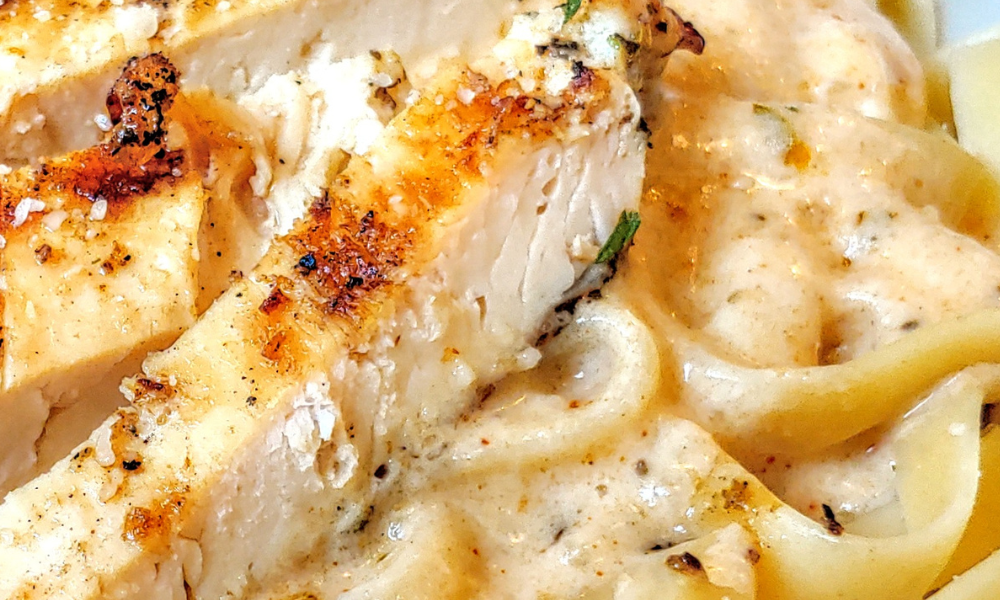

The First Time I Screwed This Up…
I thought Alfredo sauce was just cream, cheese, and vibes. I’d toss everything into a pan, melt it down, and pray it didn’t break or clump. Sometimes it worked, usually it didn’t. The chicken? Dry half the time. Pasta? Gummy or drowned.
But Ramsay’s system isn’t about tossing—it’s about building. Layered heat. Controlled emulsification. Chicken cooked right, not just “done.”
The difference? It doesn’t just taste good—it feels professional. You serve this, and people think you trained somewhere.
This breakdown gives you control over every part—so you can stop gambling and start cooking.
Why This Works (And Where Most Go Wrong)
Common mistakes ruin most Alfredo:
- Boiling the cream = curdled, gritty sauce
- Dumping cheese too early = stringy globs
- Unseasoned chicken = bland filler
- Overcooked pasta = gluey mess
Ramsay’s approach fixes all of it:
- Builds the sauce from the pan drippings for flavor depth
- Simmer, don’t boil—that keeps it smooth
- Adds Parmesan at the right moment—off the heat or at a gentle stir
- Uses pasta water smartly to balance thickness and shine
Most Alfredo fails because people rush. This version is slower, smarter, and infinitely better.
Ingredients That Actually Matter
- 2 chicken breasts (boneless, skinless) – About 1.3 lbs. Pound them slightly for even cooking.
- 2 tsp Italian seasoning – Layers the flavor into the meat. Avoid using dried basil-heavy mixes—go balanced.
- 1 tbsp cooking oil – Neutral, high-smoke oil like canola or grapeseed.
- 2 tbsp butter – Adds richness and helps deglaze those tasty browned bits.
- 4 garlic cloves, minced – Use fresh. Jarred stuff will make the sauce taste flat.
- 1 cup heavy cream – Full-fat only. Don’t substitute milk or low-fat—it’ll split.
- ¾ cup grated Parmesan – Freshly grated only. Bagged cheese won’t melt cleanly.
- 8 oz fettuccine – Classic pairing. Don’t use thin pasta—it won’t hold the sauce.
- Salt + pepper – Go light with salt early—Parmesan adds a ton already.
- Chopped parsley (optional) – For freshness and color.
Mistake I made: Tried pre-shredded cheese. Sauce went clumpy every time.
How To Make Gordon Ramsay Chicken Alfredo
1. Season and Prep the Chicken
Pat the chicken dry and season both sides with Italian seasoning, salt, and a little black pepper. If the breasts are thick in the center, pound them gently so they cook evenly.
2. Sear to Golden
Heat a large skillet on medium. Add oil and swirl to coat the surface. Place the chicken in the pan and cook undisturbed for about 7–8 minutes per side. You’re after golden crust and juicy centers. Once done, take them out and let them rest.
3. Build the Base with Flavor
Turn the heat to medium-low. Add the butter and garlic to the same pan. Stir for about 2 minutes, scraping up the browned bits left behind. Those bits? That’s liquid gold.
4. Simmer the Cream, Not Boil It
Pour in the heavy cream. Stir or whisk gently as it warms up—don’t let it boil. Let it simmer just enough to pull all that flavor off the pan. This is where sauce happens.
5. Boil the Pasta (Salt Your Water!)
While the sauce simmers, cook the fettuccine until al dente—around 7–8 minutes. Scoop out about ½ cup (120 ml) of that pasta water before draining.
6. Melt the Cheese the Right Way
Drop the heat to low or off. Stir in the grated Parmesan. Let it melt gradually—you want creamy, not clumpy. Stir gently as it thickens.
7. Bring It Together
Toss the cooked pasta straight into the sauce. Use a bit of reserved pasta water to adjust thickness if it feels heavy. Stir until it’s all glossy and coated.
8. Slice and Serve
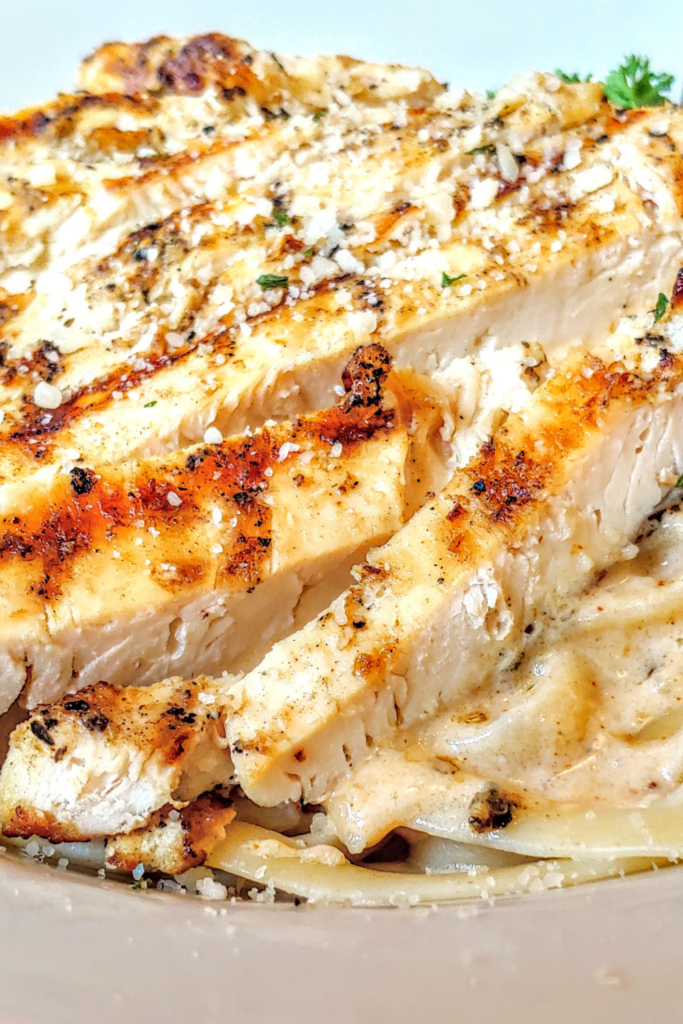
Slice the chicken and layer it over the sauced pasta. Add chopped parsley if you’re feeling fancy. Serve hot. Eat immediately.
What Gordon Ramsay Says About This Dish
“Don’t drown the pasta. Let the sauce coat, not smother.”
→ That’s why we toss it in the pan, not dump it on top.
“Chicken needs color—don’t move it around.”
→ Sear it and leave it alone. That crust is flavor.
“Cream breaks when it’s rushed.”
→ That’s why you simmer low and let the sauce build gradually.
“Always taste before serving. Always.”
→ Parmesan and pasta water change your salt levels—check it at the end, not before.
What I Got Wrong (And How I Fixed It)
- I boiled the sauce. It split and turned greasy. Now I just simmer, low and slow.
- Used cheap pre-shredded cheese. Bad melt, gritty texture. Fresh-grated only.
- Added cheese too early. It seized. The fix? Add it once the cream’s warm, not hot.
- Pasta was soggy. Overcooked by a minute. Al dente gives the best texture and holds sauce better.
Variations That Actually Hold Up
- Add mushrooms: Sauté them with the garlic for a meatier depth.
- Go spicy: Toss in chili flakes when adding garlic.
- Use thighs instead of breasts: More forgiving and juicier, just slice thin before cooking.
- Swap the fettuccine: Tagliatelle or pappardelle works great too.
Don’t use penne—it won’t give the creamy mouthfeel Alfredo is known for.
Pro Tips That Change the Game
- Warm your pasta bowl before plating – keeps the sauce from cooling too fast.
- Use a microplane for the Parmesan – it melts better and blends faster.
- Rest the chicken 5 minutes before slicing – keeps it juicy and stops it from leaking all over the sauce.
- Add a small knob of butter at the end – it finishes the sauce with a glossy sheen.
Storage + Reheat Strategy
- Fridge: Store in a sealed container for up to 3 days.
- Reheat Gently: In a pan over low heat with a splash of milk or cream. Stir constantly.
- Don’t microwave directly. It ruins the texture. If you must, cover it and use medium power in short bursts.
FAQs – Based on What People Actually Ask
Q: Can I use milk instead of cream?
Not here. The sauce will likely split and lose its richness. Stick to heavy cream.
Q: Why did my sauce break?
Usually caused by boiling the cream or adding cheese too early. Keep heat low and whisk gently.
Q: Can I make it ahead?
Not ideal. Alfredo thickens too much when stored. It’s best served fresh, or reheated gently with added cream.
Q: What type of Parmesan works best?
A block of Parmigiano-Reggiano, grated by hand. Bagged cheese has anti-caking agents and doesn’t melt properly.
Q: Can I add veggies?
Yes—broccoli or peas work great. Blanch them and toss in with the pasta before combining everything.
Try More Recipes:
- Gordon Ramsay Alfredo Sauce Recipe
- Gordon Ramsay Tarragon Pasta Recipe
- Gordon Ramsay Pasta Carbonara Recipe

Gordon Ramsay Chicken Alfredo Recipe
Course: DinnerCuisine: Italian-AmericanDifficulty: Easy3
servings10
minutes30
minutes833
kcalThis creamy Chicken Alfredo recipe, inspired by Gordon Ramsay’s layered cooking technique, delivers a rich, silky sauce without shortcuts. Golden seared chicken, fresh Parmesan, and al dente fettuccine come together in one pan for a restaurant-level dinner you can pull off on a weeknight. Built from the pan up—with no clumps, no curdled cream, and no guesswork. It’s simple where it should be and precise where it matters.
Ingredients
- Chicken:
2 boneless, skinless chicken breasts (about 1.3 lb total)
2 teaspoons Italian seasoning
Salt and pepper, to taste
1 tablespoon neutral oil (like canola or avocado)
- Sauce Base:
2 tablespoons butter
4 cloves garlic, minced
1 cup heavy cream
¾ cup freshly grated Parmesan cheese
- Pasta:
8 oz. fettuccine
Reserve ½ cup pasta water before draining
- Garnish (optional):
1 tablespoon chopped fresh parsley
Directions
- Season the Chicken:
Start by patting the chicken dry with paper towel. Season both sides with Italian seasoning, a good pinch of salt, and some black pepper. If the chicken is uneven, gently pound it flat so it cooks evenly. - Sear the Chicken:
Heat a large skillet over medium heat. Add oil and swirl it around the pan. Lay the chicken in the pan and don’t move it—let it cook for 7–8 minutes per side until golden brown and cooked through. Set it aside on a plate to rest. - Build the Sauce Base:
Lower the heat to medium-low. In the same pan, drop in the butter and minced garlic. Stir it around for 2 minutes, making sure to scrape up all those golden bits stuck to the pan. That’s pure flavor. - Simmer the Cream (Don’t Boil):
Pour in the heavy cream and stir. Let it simmer slowly, not boil. If it boils, it could separate or go gritty. Keep the heat low and patient. - Cook the Pasta:
While the sauce is simmering, boil your fettuccine in salted water until al dente—usually about 7–8 minutes. Scoop out about ½ cup of pasta water before you drain it. - Melt the Cheese Gently:
Once the cream’s warmed through, stir in the grated Parmesan. Let it melt slowly into the sauce while you stir. The sauce will thicken and turn creamy. Keep the heat soft. - Bring It All Together:
Add the drained fettuccine straight into the pan. Stir it gently to coat. If it seems thick, splash in a bit of the reserved pasta water to loosen it. Don’t rush this part. - Slice and Serve:
Cut the chicken into strips and lay it over the creamy pasta. Top with chopped parsley if you like. Serve while it’s still hot and glossy.
Notes
- Don’t boil the cream. A soft simmer keeps it smooth and helps everything come together.
- Use freshly grated Parmesan. Bagged stuff doesn’t melt the same and can make the sauce gritty.
- Save your pasta water. It’s liquid gold for adjusting sauce texture.
- Pound your chicken first. It cooks more evenly and stays juicy.

Zaytouna Studio Team is the kitchen team behind Chef Ramsay Recipes. We cook Gordon Ramsay’s recipes from his cookbooks and videos in a home kitchen and write them up for yours, with US and metric measurements.