
The First Time I Screwed This Up…
I thought Bordelaise sauce was just “fancy red wine gravy.” So I grabbed a bottle of whatever red was open, tossed in some onions, and let it rip. What I got was harsh, acidic sludge. Thin. Bitter. More like wine soup than sauce.
Then I watched Ramsay build it like a reductionist’s ballet—caramelized shallots, slow-simmered veal stock, and wine so reduced it practically whispers umami. It wasn’t just a sauce—it was the finale that made a steak unforgettable.
Why This Works (And Where Most Go Wrong)
Most people treat Bordelaise like a pour-and-stir situation. But this is all about extraction and compression—pulling every ounce of flavor from each ingredient, then reducing it into a velvet-textured finish.
Here’s where things usually fall apart:
- Shallots sautéed, not caramelized = no depth
- Wine reduced too fast = acidic, not syrupy
- Broth used instead of veal stock = thin, no body
- Seasoning too early = oversalted reduction
Ramsay’s system is strict for a reason. Caramelization builds the foundation. Wine reduction intensifies it. Veal stock brings the body. Straining makes it sleek.
Ingredients That Actually Matter
- 1 tsp (5g) butter – Starts the slow shallot sweat. No oil. Butter browns, adds depth.
- 4 large shallots (~600g) – Slice thin and even. Shallots matter—onions are too aggressive.
- Pinch of salt – Helps break down shallots early.
- 1 cup (240ml) dry red wine – Think Bordeaux, Cabernet, or Merlot. Dry, not sweet.
- 2 cups (480ml) veal stock – Collagen-heavy. Adds thickness. Not beef broth. Not consommé.
- Salt and black pepper to finish – Only after reducing.
👉 Optional: A sprig of thyme during wine reduction. Adds complexity, but don’t overdo it.
How To Make Gordon Ramsay Bordelaise Sauce
Start by melting the butter in a saucepan over medium-low heat. Add the sliced shallots and a pinch of salt. Let them go low and slow—20 minutes minimum, stirring occasionally. You want them deep golden, not browned on the edges and raw in the center.
Once caramelized, pour in your red wine. Bring to a simmer, then reduce the heat. Let it go until the wine is almost gone and syrupy. Don’t shortcut this—it’s the backbone of the sauce.
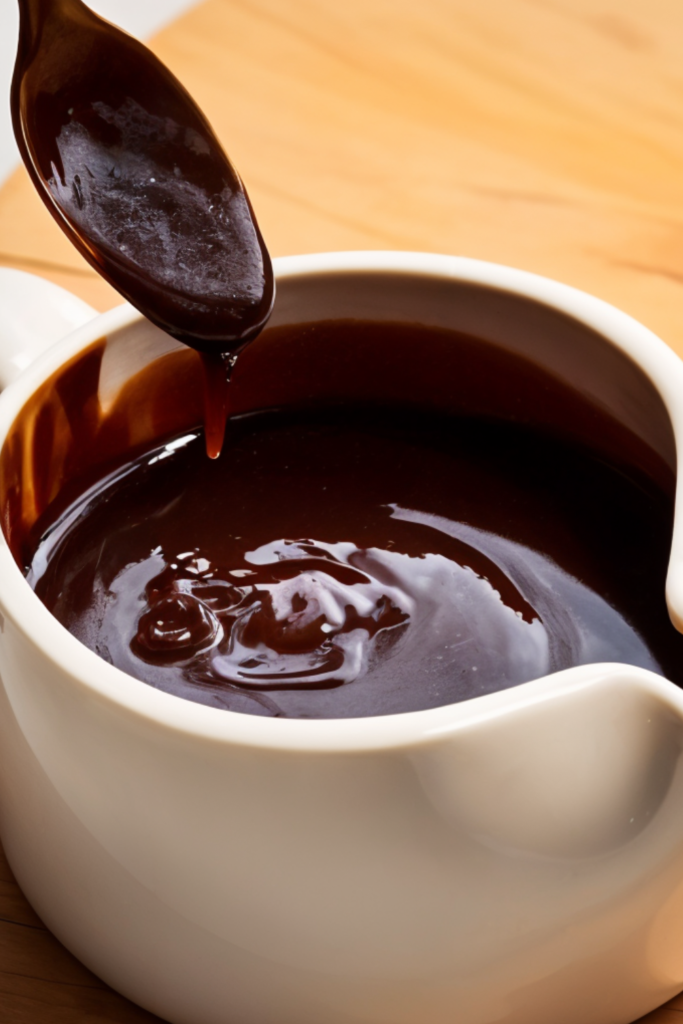
Add the veal stock. Simmer again and reduce by half. You’re looking for body here—it should coat a spoon without sliding right off.
Strain it all through a fine mesh sieve. Press those shallots for every drop, then discard. Season gently with salt and black pepper. Taste. Adjust.
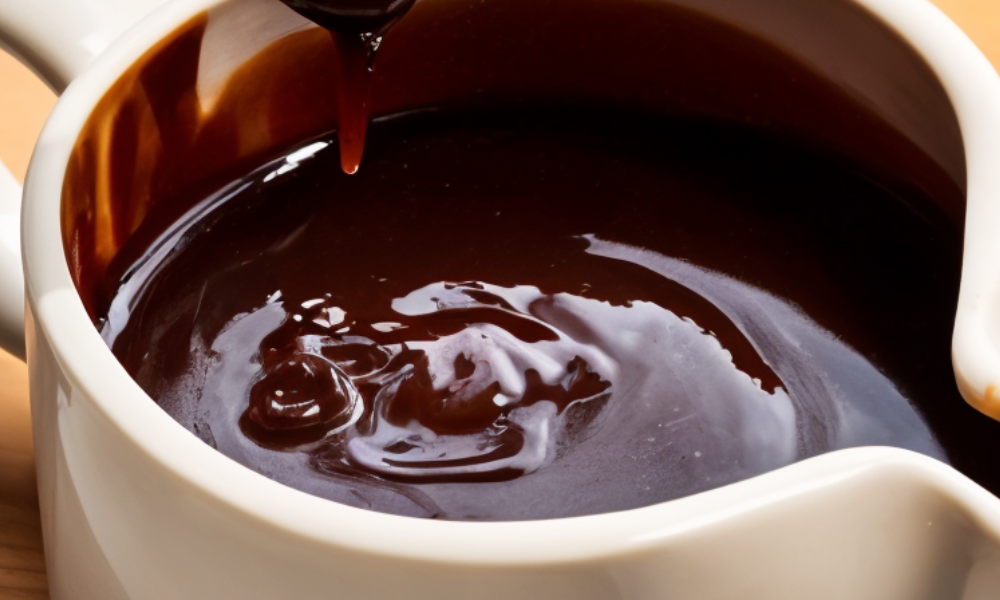
You should have a smooth, glossy, dark sauce that tastes like a reduction of a reduction—sweet from shallots, deep from wine, round from stock.
What Gordon Ramsay Says About This Dish
“You can’t fake a reduction. It either clings or it doesn’t.”
→ Once I stopped pulling it early, the flavor tripled. Sauce got tight, glossy, clingy.
“Caramelized shallots. Not fried, not sweated. Caramelized.”
→ I was sweating them. Big mistake. Now I let them go low and slow, no shortcuts.
“The wine needs to nearly vanish. Otherwise, it dominates.”
→ The first time I reduced to half—it was still too punchy. Syrup stage changed everything.
“Veal stock gives the sauce its legs.”
→ I tried with beef broth—watery and flat. Veal brings that restaurant-level silk.
What I Got Wrong (And How I Fixed It)
- Used beef broth – Flimsy and greasy. Swapped for homemade veal stock: roasted bones, tomato paste, 8-hour simmer.
- Didn’t reduce wine enough – Result: sharp and thin. Now I go until it’s nearly jammy.
- Burnt the shallots – Had the heat too high. Fixed by dropping to medium-low and using a wider pan.
- Over-seasoned early – Reduction intensified the salt. Now I season after straining.
Variations That Actually Hold Up
- Bone marrow: Classic French move. Stir in a spoonful right before serving.
- Thyme sprig: Add during wine reduction for a subtle herbal hit.
- Mushroom Bordelaise: Add finely diced mushrooms during shallot caramelization. Earthier, deeper.
⚠️ Don’t use garlic. It throws off the balance. This isn’t garlic butter—it’s elegance in sauce form.
Pro Tips That Change the Game
- Don’t walk away during wine reduction – It turns from perfect to scorched fast.
- Cold butter swirl at the end – For extra sheen and richness, swirl in a knob off heat.
- Use wide-bottom pan – More surface area = faster, more even reduction.
- Make extra and freeze – Freeze in ice cube trays, pop out when needed.
Storage + Leftover Moves
- Fridge: Airtight container, up to 3 days
- Freeze: Yes. Up to 1 month in portioned cubes
- Reheat: Gently over low heat, whisking as it warms
- Leftover moves: Brush on grilled steak, stir into risotto, or spoon over roasted mushrooms
FAQs – Covering Search Intent
Q: Can I use beef broth?
A: You can, but you’ll lose silkiness. Veal stock is essential for proper body.
Q: What wine should I use?
A: A dry red you’d drink. Bordeaux or Cabernet are ideal. No cooking wine.
Q: Can I make it ahead?
A: Yes. It actually improves overnight. Just reheat gently and stir.
Q: Why strain it?
A: Smoothness. You’re removing solids to leave only the concentrated liquid gold.
Q: Can I use onions instead of shallots?
A: Only in a pinch. Shallots are sweeter and more refined. Onions bring aggression.
Try More Recipes:
- Gordon Ramsay Mornay Sauce Recipe
- Gordon Ramsay caramel sauce Recipe
- Gordon Ramsay Tomato Butter Sauce Recipe

Gordon Ramsay Bordelaise Sauce Recipe
Course: Side DishesCuisine: FrenchDifficulty: Easy4
10
minutes35
minutes185
kcalA silky, rich French steak sauce built on caramelized shallots, deep red wine reduction, and velvety veal stock—designed to elevate any meat from basic to brilliant.
Ingredients
- For the Sauce:
1 tsp (5g) unsalted butter
4 large shallots (approx. 600g), thinly sliced
1 pinch salt
1 cup (240ml) dry red wine (Bordeaux or Cabernet preferred)
2 cups (480ml) veal stock
Salt and freshly ground black pepper, to taste
- Optional Add-ons:
1 sprig fresh thyme (add during wine reduction)
1 tsp cold butter (to swirl in at the end for gloss)
1 tsp bone marrow (stir in at the end for richness)
Directions
- Caramelize the Shallots: In a wide-bottom saucepan over medium-low heat, melt butter. Add shallots and a pinch of salt. Cook slowly, stirring every few minutes, until deeply golden and caramelized—about 20 minutes.
- Reduce the Wine: Pour in the red wine. Increase heat to bring to a simmer, then lower again and reduce until the wine is nearly evaporated and syrupy—about 10–12 minutes.
- Add Stock & Simmer: Stir in veal stock. Simmer until reduced by half and slightly thickened, about 10 minutes. The sauce should coat the back of a spoon.
- Strain & Finish: Strain through a fine mesh sieve, pressing shallots for maximum flavor. Return to pan if needed and season with salt and black pepper. Swirl in cold butter off heat if desired.
- Serve: Spoon over rested steak, duck, or lamb. It should cling, not run.
Notes
- Don’t rush the shallots. Low and slow = flavor depth.
- Veal stock matters. Beef broth won’t give you the same silky mouthfeel.
- Push your reduction. The wine should be almost jammy before adding stock.
- Strain for finesse. It’s the key to a smooth, restaurant-quality finish.

Zaytouna Studio Team is the kitchen team behind Chef Ramsay Recipes. We cook Gordon Ramsay’s recipes from his cookbooks and videos in a home kitchen and write them up for yours, with US and metric measurements.