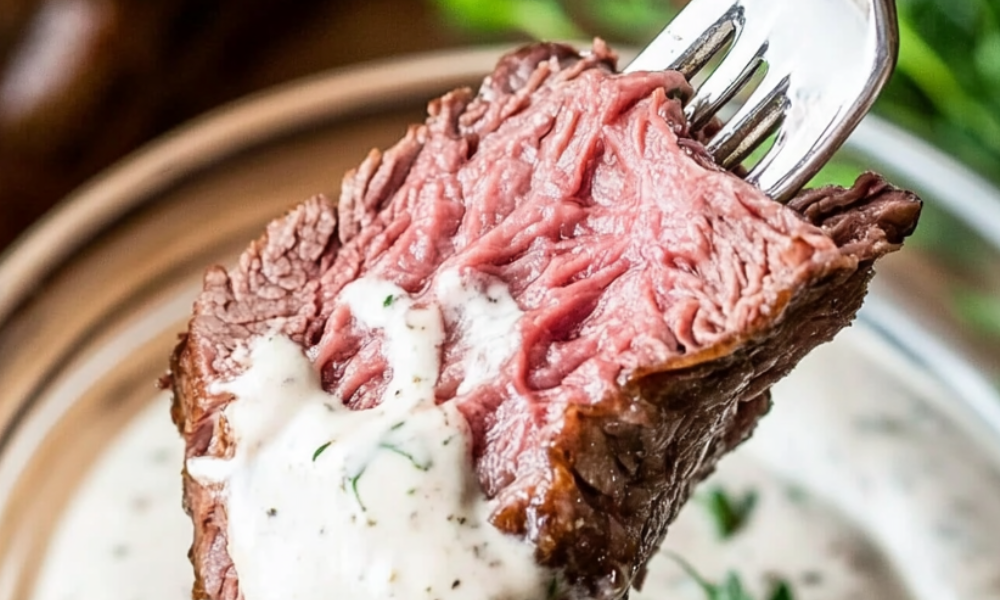

The first time I made horseradish sauce, I treated it like a salad dressing—just whisk and go. Big mistake. It came out flat, watery, and completely lacked that signature sharp bite you want next to a slice of prime rib. I didn’t realize then: this isn’t just a condiment—it’s a contrast weapon.
Once I started watching how Gordon balances cream with heat, I saw what I was missing. His version isn’t just “hot and creamy”—it’s strategic. It lifts the meat, cuts through fat, and makes every bite sharper. Here’s how to actually nail it.
Why This Works (And Where Most Go Wrong)
Most people either drown the horseradish in dairy or forget to season it like a sauce. Gordon threads the needle: just enough sour cream to tame the heat, but not so much it dies on the palate.
Here’s where it falls apart for most home cooks:
- Too much mayo = flabby and heavy
- Weak horseradish = no kick
- No acid = flat flavor
- No rest time = tastes unfinished
His version is dialed-in. Balanced, clean, punchy.
Ingredients That Actually Matter
- 120g sour cream – The base. Sour cream is tangy but not sweet, so it balances heat without muting it. Greek yogurt works, but makes it denser and slightly more tart.
- 30g prepared horseradish, drained – Drain it. Extra liquid ruins the texture. Use fresh if you want fire; store-bought if you want control.
- 30g mayonnaise – Adds body. But go light—too much and you lose sharpness.
- 5ml apple cider vinegar – Cuts the cream, wakes everything up. Lemon juice is sharper but less rounded.
- 1g salt + 0.5g black pepper – Essential. Season this like a sauce, not a topping.
- 15g chives, finely chopped – Freshness, color, and mild oniony lift.
How To Make Gordon Ramsay Horseradish Sauce
Start by draining your horseradish. Watery horseradish will wreck the consistency before you even begin.
In a small bowl, combine the sour cream, prepared horseradish, mayonnaise, vinegar, salt, and black pepper. Stir it until it’s completely smooth—don’t leave streaks.
Now taste it. If it doesn’t make your tongue perk up, you either need more vinegar or your horseradish is weak.
Cover it and chill for at least 30 minutes. Overnight? Even better. This rest time lets everything meld and sharpens the flavor.
Sprinkle chives just before serving. Don’t mix them in early or they’ll bleed color and get soggy.

What Gordon Ramsay Says About This Dish
“Horseradish should wake up your palate, not knock it out.”
— That means balance. If your sauce tastes like a spoonful of wasabi, scale back.
“Always season your sauces—don’t rely on the meat to carry it.”
— Learned this the hard way. Sauce should be good on its own.
“Chill it. Let it sit. That sharpness needs time to mellow.”
— I used to serve it straight after mixing. Total rookie move.
What I Got Wrong (And How I Fixed It)
- Used too much mayo. It tasted like ranch with a bite. Solution: drop to 30g max.
- Didn’t drain the horseradish. Ended up with a sauce that separated in the fridge. Now I always squeeze it out in paper towels.
- Served too early. Tasted chaotic. Overnight rest made it smoother and stronger.
- Skipped the vinegar once. Felt flat and one-dimensional. Never again.
Variations That Actually Hold Up
- Greek yogurt swap – Works great if you want it thicker and higher in protein. A bit tangier.
- Add Dijon (5g) – Adds complexity, but keep it subtle.
- No chives? Try shallots. Very finely minced, only a touch.
What doesn’t work:
- Using horseradish sauce instead of raw horseradish. It’s already diluted and sweetened. Useless here.
Pro Tips That Change the Game
- Taste after chilling. You’ll get a more accurate read than when it’s just mixed.
- Use a zester to grate fresh horseradish if going that route. It’s intense—go slow.
- If your sauce is too hot, add a pinch of sugar—not more cream. Sugar rounds the edge without muting the kick.
- Spoon it on the plate, not the meat. That way, your guests choose the heat level.
Storage + Leftover Moves
- Fridge: Airtight container, up to 2 weeks.
- Reheat? Never. Serve cold or room temp.
- Freeze? No. The dairy splits. Texture disaster.
- Leftovers? Stir into mashed potatoes. Trust me.
FAQs – Covering Search Intent
Q: Can I use horseradish sauce instead of prepared horseradish?
A: No. That’s like using ketchup instead of tomato paste. It’s already diluted and sweetened—won’t bring the heat.
Q: Why is Gordon Ramsay’s horseradish sauce so smooth?
A: Sour cream base, fully emulsified, and chilled for flavor melding. Texture matters.
Q: What meats go best with this sauce?
A: Prime rib, roast beef, lamb chops, roast chicken. Anything fatty or rich—it cuts right through.
Q: Can I make it vegan?
A: Yes—use vegan sour cream and mayo. Flavor stays strong if you season it properly.
Q: Is this the same as creamed horseradish?
A: Not quite. Creamed versions are sweeter and usually milder. This is sharper and fresher.
Try More Recipes:
- Gordon Ramsay Street Corn Dip Recipe
- Gordon Ramsay Beetroot Hummus Recipe
- Gordon Ramsay Tomato And Basil Salsa Recipe
- Gordon Ramsay Salmon Mousse Recipe

Gordon Ramsay Horseradish Sauce Recipe
Course: Side DishesCuisine: BritishDifficulty: Easy4
servings5
minutes60
kcalCreamy, tangy, and sharp—this horseradish sauce adds the perfect punch to beef, lamb, or roasted meats.
Ingredients
120g sour cream
30g prepared horseradish, drained
30g mayonnaise
5ml apple cider vinegar
1g salt
0.5g black pepper
15g chives, finely chopped
Directions
- In a small bowl, combine sour cream, horseradish, mayo, vinegar, salt, and pepper.
- Mix until smooth and fully incorporated.
- Taste and adjust vinegar or horseradish as needed.
- Chill for at least 30 minutes for best flavor.
- Sprinkle chives on top just before serving.
Notes
- Taste after chilling. You’ll get a more accurate read than when it’s just mixed.
- Use a zester to grate fresh horseradish if going that route. It’s intense—go slow.
- If your sauce is too hot, add a pinch of sugar—not more cream. Sugar rounds the edge without muting the kick.
- Spoon it on the plate, not the meat. That way, your guests choose the heat level.

I’m Ava Taylor. I’m A Self-taught Home Cook Who Loves Gordon Ramsay Recipes. I Try Every Dish In My Small Apartment Kitchen And Tweak It Until It Works. I Write Clear Steps With Simple Words So Anyone Can Follow. I Share Honest Wins, Mistakes, And Quick Tips To Help You Cook With Confidence.