
The First Time I Screwed This Up…
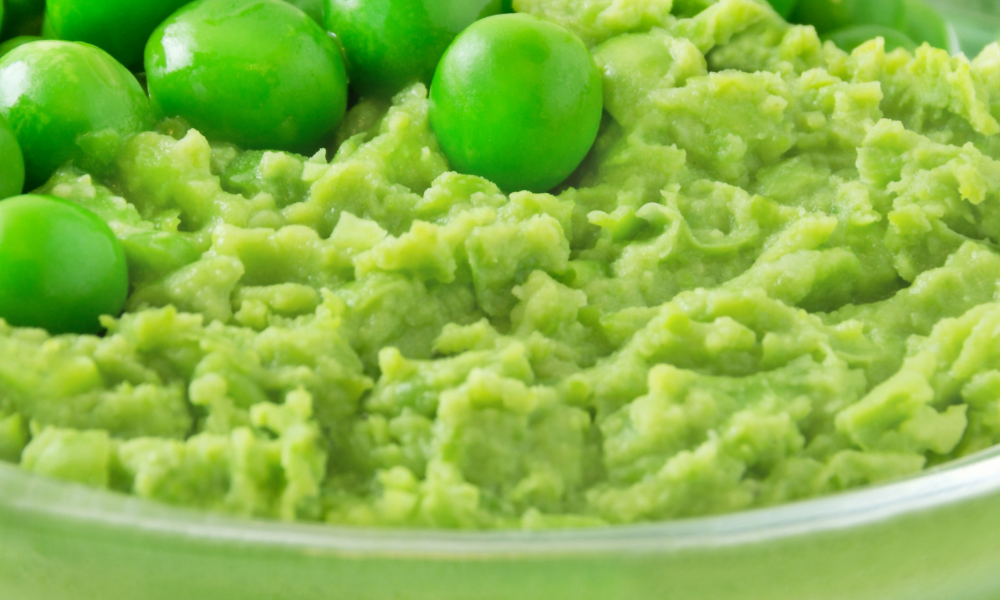
I thought pea purée was a garnish—an afterthought. So I nuked some peas, blended them dry, tossed in salt, and expected restaurant-level results. It came out chalky, dull, and bitter. More like baby food than a velvety, vibrant side.
Then I watched Ramsay’s method: low heat, slow-cooked shallots, flash-blanched peas, emulsified with butter and stock. It’s not a side dish—it’s a silky green sauce with range. Steak? Yes. Salmon? Perfect. Pork? Also yes.
Why This Works (And Where Most Go Wrong)
Here’s what ruins most pea purées:
- Overcooked shallots = bitter base
- Boiling peas too long = dull color, mushy texture
- Too little liquid = grainy texture
- Not straining = chunky instead of smooth
- Adding butter too early = split texture
Ramsay’s system fixes it all:
- Shallots are sweated, not browned, so they stay sweet
- Peas are blanched in hot stock, not overcooked
- Liquid is reserved and added as needed for full control
- Butter finishes the purée = creamy without separation
- Optional sieve = chef-level silkiness
Ingredients That Actually Matter
- 10g butter + 1 tsp olive oil – Butter for richness, oil to lower the burning point
- 3 shallots or 1 red onion, finely chopped – Shallots = sweetness without harshness
- 500g frozen baby peas, defrosted – Or fresh if you’ve got them
- 500ml chicken or veg stock (hot) – Boosts body and flavor
- 40g cold butter (added at the end) – Makes it luxurious and emulsified
- ¼ tsp sea salt, or to taste – Balance the sweetness
Optional: add 10g more butter for extra silk
How To Make Gordon Ramsay Pea Purée
1. Sweat the Shallots
In a saucepan, heat 10g butter + olive oil. Add chopped shallots. Cook over medium heat 8–10 minutes until soft—but not browned.
2. Blanch the Peas
Pour in hot stock and bring to a boil. Add peas and blanch for 3 minutes max—just until heated and vibrant green.
3. Strain + Blend
Strain peas and shallots, reserving the liquid. Add to a blender with a splash of the stock and blend until smooth.
4. Emulsify with Butter
Add 40g cold butter into the blender while it’s running. Keep blending until it becomes glossy and smooth. Season with sea salt.
5. Optional: Pass Through a Sieve
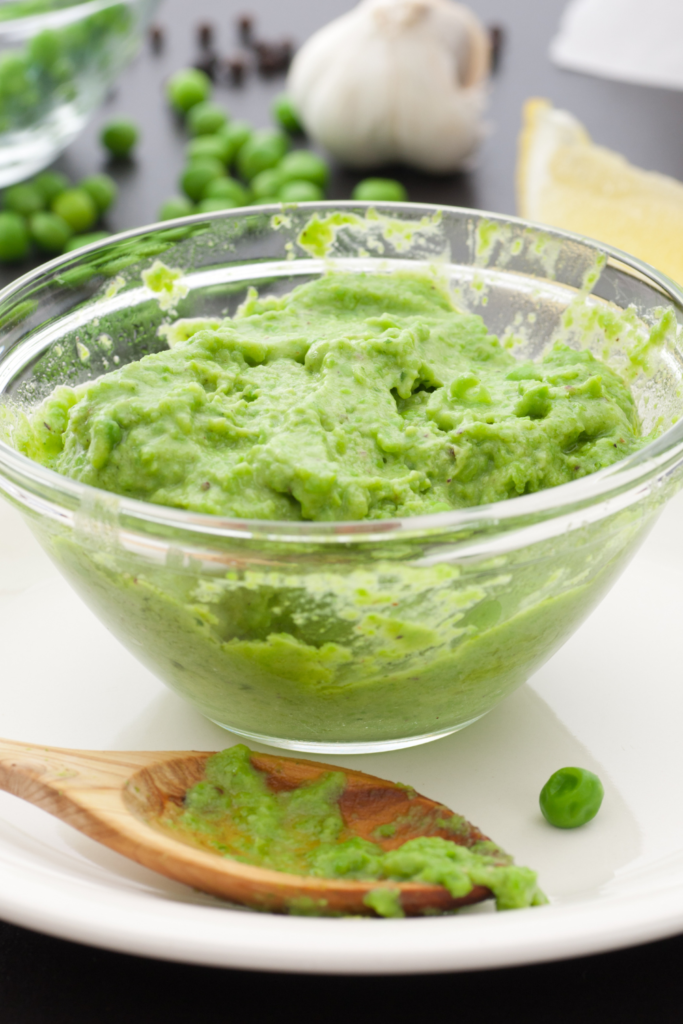
For a fine-dining finish, push the purée through a mesh sieve using a spoon. Removes skins, gives that velvet finish.
What Gordon Ramsay Says About This Dish
“Don’t brown the shallots—you want sweetness, not bitterness.”
→ Changed my whole base approach. Now it’s mellow, not harsh.
“Peas cook fast. You’re not making soup.”
→ I used to boil them. Ramsay’s 3-minute blanch saved the color and flavor.
“Blend with butter at the end.”
→ This made it silky instead of oily. Cold butter emulsifies better than hot.
“Strain it for finesse.”
→ I didn’t think it mattered. It does. It absolutely does.
What I Got Wrong (And How I Fixed It)
- Browned shallots – Made it bitter. Now I cook them low and slow.
- Overcooked peas – Lost color and bite. Now I blanch, not boil.
- No added liquid – It turned into green paste. Now I use stock gradually.
- Butter too early – Made it greasy. Now I add it after blending.
- Didn’t strain – Looked rustic in the wrong way. Now I use a sieve for final finish.
Variations That Actually Hold Up
- Minted Pea Purée – Add a few fresh mint leaves right before blending
- Lemon-Zest Boost – Adds brightness for grilled fish
- Wasabi-Pea Version – Add a small dollop of wasabi for sharpness with seared tuna
- Vegan Version – Swap butter for olive oil or vegan butter
- Creamy Upgrade – Add a spoon of crème fraîche or double cream at the end
⚠️ Don’t skip straining if serving with a high-end dish—it takes it from “side” to “sauce.”
Pro Tips That Change the Game
- Always blend hot – Cold peas = dull color, chalky result
- Use cold butter – Helps create an emulsion instead of separation
- Don’t over-season at the start – Taste after blending when flavors bloom
- Sieve for guests – Makes it smoother than any blender alone
- Serve immediately – It dulls as it sits, both in flavor and color
Storage + Leftover Moves
- Fridge: Store in an airtight container for up to 3 days
- Freezer: Freeze in silicone trays or a container for up to 1 month
- Reheat: Gently on low heat in a saucepan. Add a splash of stock if too thick
- Leftover move: Use under grilled salmon, in a risotto swirl, or as a base for roasted root veg
FAQs – Covering Search Intent
Q: Can I use fresh peas instead of frozen?
A: Yes! Just reduce the blanching time to 1–2 minutes max.
Q: Can I make this ahead?
A: Totally. Reheat gently and re-blend with a splash of stock for texture.
Q: What’s the best blender for purée?
A: High-speed blender (like a Vitamix) gives best results. Food processor works but won’t be as smooth.
Q: Can I serve it cold?
A: You can, but flavor and texture shine more when warm.
Q: Can I skip the butter?
A: You can, but it won’t have that same silky finish. Use olive oil or vegan butter as a substitute.
Try More Recipes:
- Gordon Ramsay Pea Puree Recipe
- Gordon Ramsay Split Pea Soup Recipe
- Gordon Ramsay’s Mushy Peas Were My 10-Minute Reset Meal

Gordon Ramsay Pea Puree Recipe
Course: Side DishesCuisine: BritishDifficulty: Easy4
servings5
15
minutes190
kcalA bright, velvety purée made with sweet peas, softened shallots, and buttery stock — the perfect side or elegant sauce for fish, steak, or lamb.
Ingredients
- For the Pea Purée:
10g butter
1 tsp mild extra virgin olive oil
3 shallots (or 1 red onion), finely chopped
500g frozen baby peas, defrosted
500ml chicken or vegetable stock (hot)
40g cold butter (plus 10g more if desired)
¼ tsp sea salt (or to taste)
Directions
- Cook the Shallots: Heat 10g butter and olive oil in a saucepan over medium heat. Add shallots and cook for 8–10 minutes until soft but not browned.
- Blanch the Peas: Pour hot stock into the saucepan and bring to a boil. Add peas and cook for 3 minutes until bright green and just tender.
- Strain and Blend: Remove from heat. Strain the liquid into a jug. Add peas and shallots to a blender with a splash of the reserved liquid. Blend until smooth.
- Finish with Butter: While blending, add the 40g cold butter for a glossy, creamy finish. Add more reserved liquid as needed to adjust consistency.
- Optional Silky Texture: Pass the purée through a fine sieve for an ultra-smooth restaurant-style result.
Notes
- Don’t brown the shallots — soft and sweet is the goal.
- Use hot stock, not cold — it keeps the peas vibrant and cooks evenly.
- For extra silkiness, always strain through a fine mesh sieve.
- Serve immediately for best color and texture.

I’m Ava Taylor. I’m A Self-taught Home Cook Who Loves Gordon Ramsay Recipes. I Try Every Dish In My Small Apartment Kitchen And Tweak It Until It Works. I Write Clear Steps With Simple Words So Anyone Can Follow. I Share Honest Wins, Mistakes, And Quick Tips To Help You Cook With Confidence.