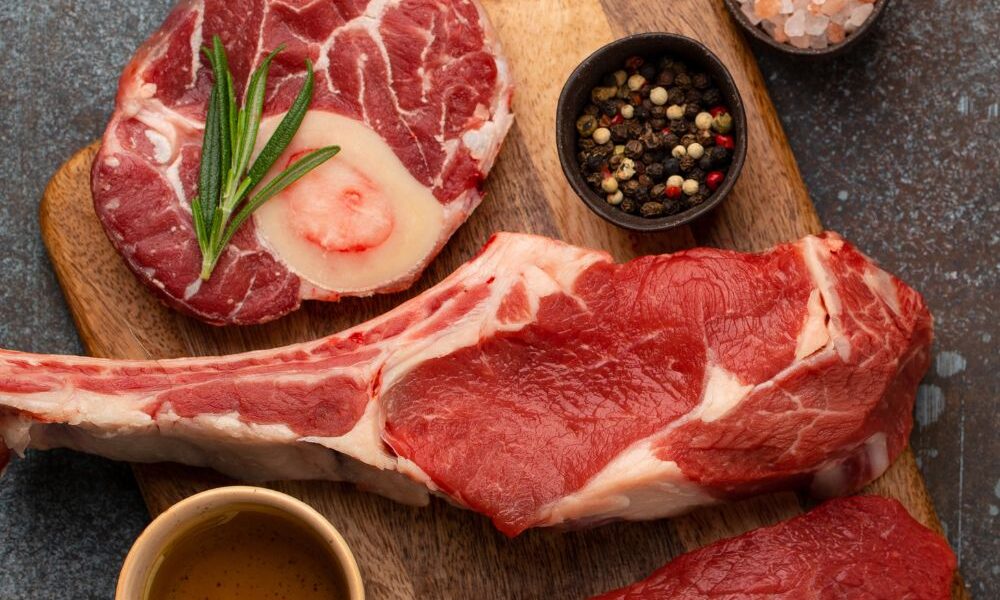

Sunday morning, I set two identical chuck roasts on my counter—one headed for a Dutch-oven braise, the other into my Instant Pot®. Four hours later the house smelled incredible, but only one roast melted like pot-roast heaven. Here’s the side-by-side data that convinced me which cuts thrive under gentle, all-day heat and which excel under high-pressure speed.
Why Collagen Content Dictates Cooking Method
Beef tenderness isn’t about “lean vs fatty”—it’s about collagen converting to gelatin.
- Slow-braise (95 °C / 203 °F, 3–6 h) lets collagen unwind gradually, yielding silky juices.
- Pressure-cook (120 °C / 250 °F, 30–90 min) forces that transformation in a fraction of the time, but can squeeze out moisture if you overshoot.
Quick-Glance Comparison Table
| Cut | Collagen %* | Slow-Braise Time | Pressure-Cook Time | Best For |
|---|---|---|---|---|
| Beef Shank | 27 % | 4½–5 h @ 150 °C / 300 °F | 60 min + natural release | Osso Buco, Ragu |
| Chuck Roast | 23 % | 3½–4 h @ 160 °C / 325 °F | 55 min + natural release | Classic Pot Roast |
| Short Ribs (plate) | 22 % | 3 h @ 160 °C / 325 °F | 45 min + natural release | Red-Wine Braise |
| Brisket (flat) | 21 % | 5–6 h @ 150 °C / 300 °F | 75 min + natural release | Texas Barbacoa, Holiday Roast |
| Oxtail | 28 % | 4 h @ 150 °C / 300 °F | 50 min + natural release | Jamaican Stew |
| Beef Cheeks | 29 % | 3–3½ h @ 160 °C / 325 °F | 45 min + natural release | Tacos de Barbacoa |
*Collagen percentages are approximate, averaged from USDA data.
Method Pros & Cons
Slow-Braise (>3 hours, Oven or Stovetop)
- Pros: Deepest flavour development, gravy naturally thickens, forgiving on timing.
- Cons: Heat in kitchen, long wait, energy usage.
Pressure-Cook (Electric or Stovetop PC)
- Pros: Dinner in under 90 minutes, retains aromatics, energy-efficient.
- Cons: Narrow over-cook window—15 min too long yields stringy meat; sauce usually needs reduction.
Choosing the Right Cut for Each Method
Fattier, collagen-heavy cuts (cheeks, shank, oxtail) love the moist environment of a Dutch oven—they baste in their own gelatin. Moderate-collagen cuts (chuck, short ribs) excel under pressure—quick but still forgiving. Brisket flat sits in the middle: barbecue purists smoke low & slow, but weekday cooks appreciate a 75-minute pressure-cook.
Braise-to-PC Conversion Formula
Pressure-time (min) ≈ Braise-time (min) ÷ 3 (down to nearest 5 min).
Layering Flavour—No Matter the Pot
- Sear first. Brown equals flavour. Deglaze the fond either way.
- Aromatics in stages. Add garlic last so it doesn’t burn during pressure ramp-up.
- Deglaze with umami. Tomato paste, anchovy, or miso boost base notes.
- Finish fresh. Stir in herbs or citrus zest after cooking; pressure kills delicate notes.
Chef FAQs
Can I pressure-cook brisket and still slice it?
Yes—use natural pressure release and stop at 70 min for 1.3 kg / 3 lb piece. Chill 30 min before slicing.
Why does my braise taste flat compared to pressure-cooker?
Likely water dilution. Reduce braising liquid 10 % on the stovetop before covering & baking.
Is it safe to quick-release beef?
Not ideal; rapid boil can toughen fibres and eject fat through the valve. Always natural release 10 min minimum.
Which method keeps leftovers better?
Pressure-cooked meat rewarms juicier because initial moisture loss is lower—store in its cooking liquid.
What to Cook Next
- Gordon Ramsay Beef Wellington – when you want restaurant-level wow-factor.
- Side Dishes That Elevate Beef Mains
- Smart Leftovers: Beef Recipes for Day Two
Tested August 2025 in a 24 cm Dutch oven and a 6-quart Instant Pot Duo.

I’m Ava Taylor. I’m A Self-taught Home Cook Who Loves Gordon Ramsay Recipes. I Try Every Dish In My Small Apartment Kitchen And Tweak It Until It Works. I Write Clear Steps With Simple Words So Anyone Can Follow. I Share Honest Wins, Mistakes, And Quick Tips To Help You Cook With Confidence.