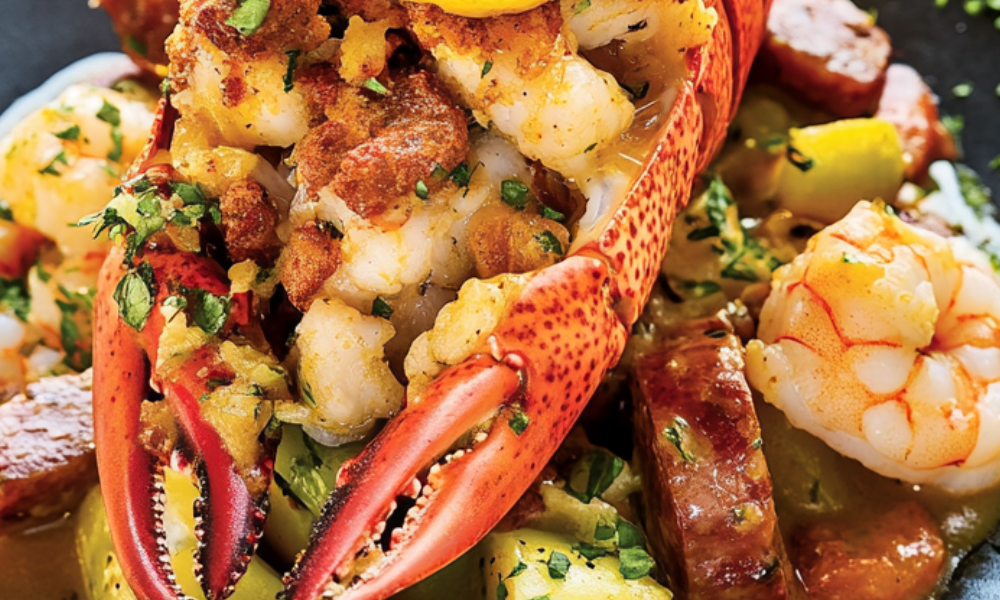

The first time I poached lobster, I killed it twice.
Seriously—too hot, too fast, and all I had left was a chewy, expensive regret floating in melted butter. I thought I was being gentle. But Gordon’s method? It taught me there’s a science to slow.
Butter poaching sounds simple. And it is—if you control the temperature like your dinner depends on it (because it does). This isn’t just about cooking lobster. This is about treating it with enough respect that it stays sweet, tender, and unapologetically luxurious.
Here’s how Gordon Ramsay does it—and how you make sure it doesn’t go rubbery on your watch.
Why This Works (And Where Most Go Wrong)
What makes this dish stand out:
- You’re not boiling the lobster. You’re slow-poaching it in emulsified butter and white wine, which preserves its moisture and sweetness.
- No aggressive heat. You’re keeping things below a simmer, which prevents the meat from seizing up.
Common failure points:
- Too hot: This is where 90% of home cooks blow it. The butter splits, the lobster tenses, and now you’re chewing through $30 of disappointment.
- Pellicle panic: That white protein film (albumin) isn’t harmful, but it’s a sign the heat’s flirting with too high. If you see it forming fast—pull back.
- Wrong butter-wine ratio: Not enough wine, and the butter gets too thick. Too much, and it loses its richness.
Ingredients That Actually Matter
- 115g unsalted butter – You’re building a poaching base, not frying. Salted butter throws off control and flavor.
- 60ml dry white wine – Adds acidity to balance the richness. Sauvignon Blanc or Pinot Grigio work. Avoid oaky Chardonnays.
- 450g uncooked lobster meat – Tails are fine. Claw meat too. Just make sure it’s raw and not pre-cooked. That’s crucial.
Optional add-ons I’ve tested:
- A sprig of tarragon or thyme – adds gentle aromatics without overpowering.
- A clove of garlic, smashed – just one. Adds warmth without turning it into garlic butter.
How To Make Gordon Ramsay Butter Poached Lobster
Start by making your poaching base. Add the butter and wine to a small saucepan over very low heat. Stir occasionally until the butter is fully melted and emulsified with the wine. It should look like thick, glossy cream—not separated oil.
Now gently place the raw lobster into the butter bath. Keep the heat low enough that it never bubbles—think “spa day,” not “hot tub.”
Let it sit in that warmth for about 4–5 minutes, then flip each piece gently with a spoon or tongs. Poach for another 4–5 minutes. Watch the color—you’re looking for opaque white meat, not curling or bubbling.
Remove from the butter and rest it just 30 seconds before serving. Hit with flaky sea salt and fresh cracked pepper right before plating.

What Gordon Ramsay Says About This Dish
“Butter should never be brown when poaching lobster. The moment you see it splitting, you’ve lost the dish.”
That taught me to use controlled heat, not just low heat. I now use an induction burner or double boiler if I’m doing a big batch.
“Let the lobster speak. It’s not about overloading it.”
So skip the garlic parade or chili oil. The flavor’s already there. Focus on texture.
“Poached doesn’t mean boiled—it means bathed.”
Exactly. If it’s bubbling, you’re cooking it too hard.
What I Got Wrong (And How I Fixed It)
- Mistake: I used salted butter. Total flavor chaos.
- Fix: Always use unsalted. Season at the end.
- Mistake: I thought medium-low heat was safe.
- Fix: Use the lowest setting possible. If your burner’s unreliable, use a double boiler.
- Mistake: I left the lobster in too long “just to be sure.”
- Fix: 8–10 minutes total, max. Anything past that turns it to mush.
Variations That Actually Hold Up
Tarragon Butter Poach: Add one sprig of fresh tarragon to the butter-wine mix. Let it steep while melting. Subtle and elevated.
Garlic + Lemon Poach: Add one smashed garlic clove and a tiny squeeze of lemon juice. Balances richness, but don’t overdo the acid.
Spicy Lobster Tails: Add a pinch of Aleppo pepper or a sliver of red chili—but only at the end. Too early and it dominates.
Pro Tips That Change the Game
- Use a digital thermometer: Keep the poaching liquid around 60–70°C (140–158°F). Any higher, and the lobster toughens.
- Poach covered for even cooking: A lid traps gentle steam and keeps the temperature stable.
- Save the butter: Strain and refrigerate—it makes a killer lobster pasta or butter base for mashed potatoes.
Storage + Leftover Moves
- Fridge: Cool to room temp, then store airtight up to 2 days.
- Reheat: Gently in leftover poaching butter over very low heat—never microwave.
- Leftover move: Chop and fold into warm pasta with that butter. Finish with lemon zest and chives.
FAQs – Covering Search Intent
Q: Can I use frozen lobster tails?
Yes, but thaw them overnight in the fridge. Pat dry before poaching to avoid watering down the butter.
Q: Why is Gordon Ramsay’s lobster so tender?
Because he controls heat like a sniper. Low, consistent, never rushed.
Q: What kind of white wine should I use?
Dry and clean—Sauvignon Blanc, Pinot Grigio, or Albariño. No sweet or oaky wines.
Q: Can I poach with just butter?
You can, but the wine adds acid and balance. Without it, the dish can feel flat and overly rich.
Q: Can I use this method for shrimp or scallops?
Yes. Adjust timing (shrimp: ~3 min, scallops: ~4 min depending on size). Watch texture cues.
Try More Recipes:
- Gordon Ramsay Duck Breast Salad Recipe
- Gordon Ramsay Duck Ravioli Recipe
- Gordon Ramsay Crab Ravioli Recipe
- Gordon Ramsay Jambalaya Recipe

Gordon Ramsay Butter Poached Lobster Recipe
Course: DinnerCuisine: BritishDifficulty: Easy2
servings5
minutes10
minutes380
kcalTender, buttery lobster poached gently in white wine—perfect for a luxurious dinner with minimal effort and maximum flavor.
Ingredients
115g unsalted butter
60ml dry white wine
450g uncooked lobster meat
Sea salt + cracked pepper to finish
Directions
- In a small pot, melt butter with wine over very low heat until fully combined and glossy.
- Add lobster meat. Poach gently for 4–5 minutes.
- Flip lobster, continue poaching another 4–5 minutes, until opaque and tender.
- Remove from heat, rest briefly. Season with sea salt and pepper.
- Serve immediately with reserved butter.
Notes
- Use a digital thermometer: Keep the poaching liquid around 60–70°C (140–158°F). Any higher, and the lobster toughens.
- Poach covered for even cooking: A lid traps gentle steam and keeps the temperature stable.
- Save the butter: Strain and refrigerate—it makes a killer lobster pasta or butter base for mashed potatoes.

I’m Ava Taylor. I’m A Self-taught Home Cook Who Loves Gordon Ramsay Recipes. I Try Every Dish In My Small Apartment Kitchen And Tweak It Until It Works. I Write Clear Steps With Simple Words So Anyone Can Follow. I Share Honest Wins, Mistakes, And Quick Tips To Help You Cook With Confidence.