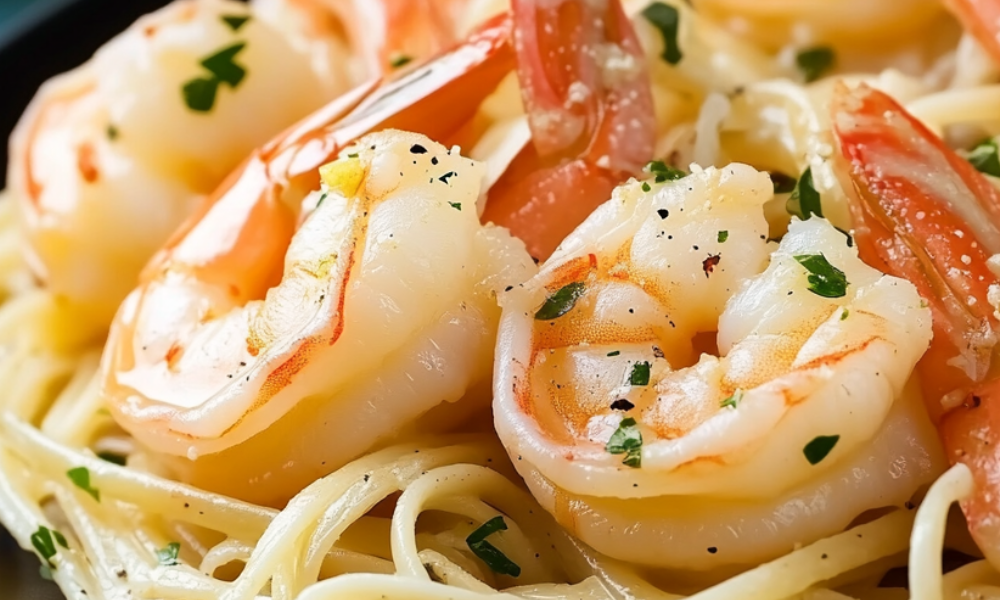

The first time I made shrimp scampi, I drowned it in lemon juice and ended up with shrimp ceviche on pasta. The sauce broke, the garlic burned, and the shrimp were rubber bullets. Sound familiar?
This isn’t just another buttered shrimp pasta. Ramsay’s version is all about balance—fat, acid, heat, and timing. Once I locked that in, this went from a sad weekday meal to a 15-minute stunner.
Here’s how to make shrimp scampi the way it should taste: sharp, buttery, briny, and absolutely spot-on.
Why This Works (And Where Most Go Wrong)
The secret isn’t the shrimp—it’s what you cook after them.
Most people focus on not overcooking the shrimp (important, yes), but forget that the real flavor lies in building the sauce in that same skillet. That fond? Gold.
Where it usually fails:
- Overcooking the shrimp in one go with everything else
- Not reducing the wine enough
- Letting garlic burn (or using jarred garlic—please don’t)
What makes this Gordon-style is the sequencing. Butter gets split. Garlic goes in after shrimp are removed. Wine reduces before lemon hits. It’s about controlling when and how each flavor unlocks.
Ingredients That Actually Matter
- 450g large shrimp, peeled and deveined – Bigger shrimp = juicier bite. Devein for clean flavor.
- 60g butter (split) – First half for sauté, second half for emulsifying the sauce.
- 4 cloves garlic, minced – Fresh only. Jarred garlic tastes like regret.
- 120ml dry white wine – Think Sauvignon Blanc or Pinot Grigio. No “cooking wine.”
- 15g lemon juice – Adds brightness, but don’t drown it. Add after wine reduces.
- 15g chopped fresh parsley – More than garnish. Freshness and herb lift.
- Linguine – Flat noodles = better sauce grip. Cook just shy of al dente.
- Salt and pepper – Season shrimp directly. No bland protein here.
Optional but tested:
- Lemon zest – Boosts aroma without over-acidifying.
- Chili flakes – Ramsay sometimes adds a touch for background heat.
How To Make Gordon Ramsay Shrimp Scampi
Season your shrimp generously with salt and pepper. I go heavier than I used to—shrimp can take it.
In a large skillet, melt 30g butter over medium-high heat. Add shrimp in a single layer. No crowding. Cook for 2–3 minutes per side, just until pink and opaque. Pull them out and set aside. Don’t overthink it.
Now drop the heat a touch and melt the remaining butter. Add garlic and stir constantly—about 1 minute. You want aroma, not color.
Pour in the white wine. Crank the heat and let it reduce by half. You should smell a mellowed tang, not harsh alcohol.
Add lemon juice and chopped parsley. Simmer for 1–2 more minutes. Sauce should coat a spoon lightly.
Return shrimp to the pan. Toss to coat, and let them warm back up—no more than 1 minute. Kill the heat.
Toss your cooked linguine right in, with a splash of reserved pasta water if needed to marry the sauce.
Plate it up. Finish with a bit of lemon zest and a grind of black pepper. Eat immediately.

What Gordon Ramsay Says About This Dish
“Don’t overcook the shrimp. The second they turn pink, they’re done.”
⟶ He’s right. Shrimp go from perfect to rubber fast. I use a timer every time now.
“Butter and acid balance is crucial—too much lemon and it curdles.”
⟶ Learned that the hard way. Add lemon only after wine reduces, or the sauce splits.
“Always cook garlic after the shrimp. Otherwise, it burns while you chase the right shrimp temp.”
⟶ Now it’s a rule. Shrimp out, then garlic goes in. Game changer.
“Use the same pan for everything—build that flavor.”
⟶ Absolutely. The caramelized bits left from the shrimp are key to a deeper sauce.
What I Got Wrong (And How I Fixed It)
- I added garlic first. Burned it. Restarted the whole thing.
- I dumped lemon juice in with the wine. Sauce broke. Learned to reduce first.
- I didn’t dry the shrimp. Steamed them instead of searing. Now I pat dry every time.
- Used salted butter. Sauce went flat. Unsalted gives you full control.
- Added cheese once. Nope. Just… no.
Variations That Actually Hold Up
- Add cherry tomatoes – Sauté before garlic for a sweet-acid pop.
- Use spaghetti if that’s all you’ve got – But finish it in the sauce to coat well.
- Swap wine for seafood stock + splash of vinegar – Still works, just a bit less luxurious.
- Add a pinch of chili flakes – Great with the lemon. Don’t overdo it.
Avoid:
- Cream. Not in this dish.
- Parmesan. It clashes with lemon and wine.
- Pre-cooked shrimp. You lose all the flavor building.
Pro Tips That Change the Game
- Dry shrimp with paper towels. Moisture kills sear.
- Cook pasta slightly under. It finishes in sauce.
- Use a wide skillet. More surface area = even cooking.
- Deglaze the pan after shrimp, not before.
- Reserve pasta water. It’s the best way to bring sauce and pasta together.
- Plate in warm bowls. Cold plates kill momentum.
Storage + Leftover Moves
- Fridge: Airtight container, up to 2 days.
- Reheat: Skillet, low heat, splash of wine or water. Microwave ruins texture.
- Don’t freeze: Shrimp turn mushy, sauce splits.
- Leftover move: Toss with fresh arugula and eat cold as a shrimp pasta salad. Surprisingly good.
FAQs – Shrimp Scampi Edition
Q: Can I use frozen shrimp?
A: Yes—just thaw fully and dry well before cooking. Otherwise, they’ll steam.
Q: Why did my sauce break?
A: Probably added lemon too early or didn’t emulsify with pasta water. Also, watch the heat.
Q: What wine should I use?
A: Dry and crisp. No oak. Think Pinot Grigio or Sauvignon Blanc.
Q: Can I skip the wine?
A: Use seafood stock + splash of white wine vinegar. Still delicious.
Q: What’s the difference between this and garlic butter shrimp?
A: This builds layers—garlic, wine, lemon, parsley. Garlic butter shrimp stops at butter.
Try More Recipes:
- Gordon Ramsay Egg Fried Noodles Recipe
- Gordon Ramsay Frozen Lasagna Recipe
- Gordon Ramsay Duck Noodles Recipe
- Gordon Ramsay Chicken Lasagna Recipe

Gordon Ramsay Shrimp Scampi Recipe
Course: DinnerCuisine: BritishDifficulty: Easy6
servings10
minutes25
minutes269
kcalButtery shrimp scampi with garlic, white wine, and lemon—bold flavor, simple ingredients, and perfect for any night.
Ingredients
450g large shrimp, peeled + deveined
Salt and pepper
60g unsalted butter (divided)
4 cloves garlic, minced
120ml dry white wine
15g lemon juice
15g fresh chopped parsley
Zest of 1 lemon (optional)
400g linguine, cooked al dente
Reserved pasta water (as needed)
Directions
- Season shrimp with salt and pepper.
- In a large skillet, melt 30g butter over medium-high. Sear shrimp 2–3 min per side until just pink. Remove.
- Lower heat. Add remaining butter, then garlic. Sauté 1 min until fragrant.
- Pour in wine. Increase heat, boil 2–3 min until reduced by half.
- Stir in lemon juice and parsley. Simmer briefly.
- Return shrimp to pan. Toss gently to coat.
- Add cooked linguine and a splash of pasta water. Toss to emulsify.
- Finish with lemon zest and serve hot.
Notes
- Dry shrimp with paper towels. Moisture kills sear.
- Cook pasta slightly under. It finishes in sauce.
- Deglaze the pan after shrimp, not before.
- Use a wide skillet. More surface area = even cooking.
- Reserve pasta water. It’s the best way to bring sauce and pasta together.
- Plate in warm bowls. Cold plates kill momentum.
Zaytouna Studio Team is the kitchen team behind Chef Ramsay Recipes. We cook Gordon Ramsay’s recipes from his cookbooks and videos in a home kitchen and write them up for yours, with US and metric measurements.