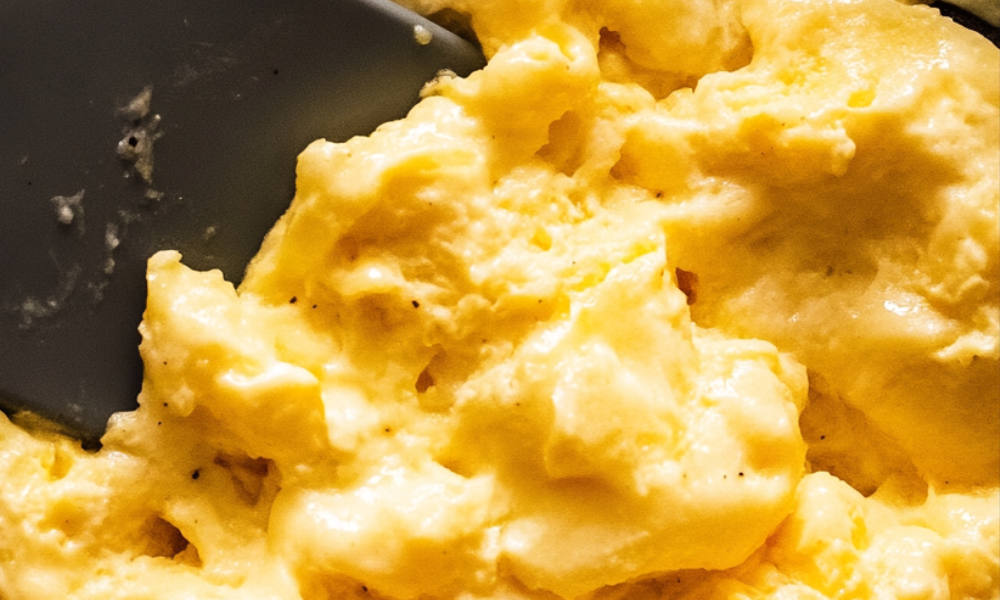

The First Time I Screwed This Up…
I thought scrambled eggs were idiot-proof. Crack, whisk, pan, done. But every time I tried them “Gordon style,” mine came out either too wet, too dry, or like spongy yellow rubber. I assumed butter and timing were optional. They’re not. I was treating it like breakfast. Ramsay treats it like technique.
Once I actually watched how he worked the pan—off and on the heat, no milk, and constant movement—I realized this wasn’t a recipe. It was a control test. And when you finally get it right? It’s not just breakfast. It’s velvet.
Here’s how to stop scrambling your scrambled eggs and start cooking like a tactician.
Why This Works (And Where Most Go Wrong)
This is not a “low and slow” method. It’s a controlled scramble.
Ramsay’s technique turns simple eggs into a custard-like emulsion by using:
- No milk (despite what many recipes say)
- Cold pan start
- Constant movement
- Alternating heat control
Where most people go wrong:
- Preheating the pan (overcooks the base)
- Adding milk (dilutes the egg proteins and steams them instead of scrambling)
- Letting it sit in the pan too long (turns custard into sponge)
The genius is in the contrast: high movement, low commitment to heat.
Ingredients That Actually Matter
- 6 eggs – You need enough volume for carryover heat to work in your favor. 2 eggs will overcook too fast.
- Cold, unsalted butter (1.5 tbsp / 20g) – The butter slows down the coagulation and adds a silky finish.
- Salt (to finish) – Adding it early ruins the emulsion and draws water out.
- Crème fraîche (optional, 1 tbsp) – Classic Ramsay finisher. Stops cooking instantly and cools the eggs just right.
- Fresh chives (optional) – Not just garnish—adds a subtle oniony contrast.
Do not add milk. That’s not Ramsay’s method. That’s a shortcut for hotel buffet eggs.
How To Make Gordon Ramsay Scrambled Eggs
Crack 6 cold eggs into a cold, nonstick saucepan with 1.5 tbsp of cold butter. Don’t season. Don’t whisk.
Put the pan over medium-high heat and immediately start stirring with a rubber spatula, scraping the bottom and edges constantly.
After about 30 seconds, once you see the first signs of thickening, pull the pan off the heat. Keep stirring off the heat for about 10 seconds, then go back on.
Repeat this on-off heat cycle for about 2–3 minutes, or until the eggs start to come together in soft, creamy curds. The texture should be loose but not runny.
Once they’re about 90% cooked, remove from heat, season with a pinch of sea salt, and optionally fold in 1 tbsp crème fraîche.
Spoon over buttered toast and top with chopped chives.

What Gordon Ramsay Says About This Dish
“You don’t whisk the eggs before they hit the pan.”
Most people do. But Ramsay wants the whites and yolks to emulsify in the pan, creating a richer texture. I didn’t believe this until I saw how glossy mine turned out.
“On and off the heat—treat it like risotto.”
This is the most important cue. Constant stirring and controlled heat. You’re building texture, not just cooking egg.
“Season at the end, not at the start.”
Early salt breaks down the eggs and makes them weep. I tested both ways—early seasoning gave me puddles. Final seasoning gave me control.
What I Got Wrong (And How I Fixed It)
- Used milk. Made it watery. Stick to eggs + butter.
- Preheated the pan. Overcooked the bottom before I could even stir.
- Whisked before cooking. Broke the texture and got fluff instead of creaminess.
- Didn’t pull off the heat. They go from perfect to dry in 10 seconds. That off-pan time is not optional—it’s vital.
Can You Tweak It?
Only if you understand what you’re trading.
✅ Add crème fraîche or sour cream at the end – Creamy and cooling
✅ Use duck eggs – Richer, more custardy
✅ Finish with truffle oil – Ramsay does this in upscale versions
❌ Add milk – Ruins it
❌ Scramble in a hot pan – Kills the whole point
Pro Tips That Change the Game
- Use a saucepan, not a skillet. The higher sides keep heat even and prevent scorching.
- Rubber spatula only. Metal scrapes and overmixes. Wooden spoons don’t catch the edges.
- Work off the heat more than you think. The residual heat in the pan is your silent partner.
- Toast matters. A thick sourdough or country bread holds up best. Plain white bread just collapses.
Storage + Leftover Move
Don’t bother. These eggs are meant to be eaten immediately.
If you must store:
- Keep in an airtight container in the fridge, 1 day max.
- Reheat gently in a pan with a knob of butter. But the texture won’t be the same.
Pro move? Use leftovers to make an egg sandwich with crispy bacon and hot sauce. It hides the texture slip.
FAQS – COVERING SEARCH INTENT
Q: Can I add cheese to Gordon Ramsay’s scrambled eggs?
A: Not in the pan. It interferes with the emulsion. Add it after cooking if you must—finely grated and stirred in just before serving.
Q: Why does Gordon Ramsay use crème fraîche?
A: It instantly cools the eggs, stopping the cooking while adding tang and creaminess.
Q: Can I make these with olive oil instead of butter?
A: Technically yes, but you’ll lose the richness and emulsifying quality that butter gives. You’ll get more of a sautéed texture than custardy.
Q: What kind of toast is best?
A: Sourdough, pain de campagne, or anything with a firm crust. The eggs are soft—they need structure underneath.
Q: Do I have to use a saucepan?
A: If you want full control, yes. Skillets work, but they heat unevenly and cook the edges too fast.
Try More Recipes:
- Smoky Mountain Cheesy Crawfish Omelette from Ramsay Around The World
- Gordon Ramsay Bagel Recipe
- Gordon Ramsay English Muffin Recipe
- Gordon Ramsay Waffle Recipe

Gordon Ramsay Scrambled Eggs Recipe
Course: BreakfastCuisine: BritishDifficulty: Easy2
servings5
minutes3
minutes154
kcalCreamy, custard-style scrambled eggs made with butter and precise heat control for perfect texture every time.
Ingredients
6 eggs
1.5 tbsp (20g) unsalted butter
Pinch of sea salt
1 tbsp crème fraîche (optional)
Fresh chives (optional)
2 slices of thick toasted bread
Directions
- Crack eggs into a cold nonstick saucepan with butter.
- Place over medium-high heat, stir constantly with a rubber spatula.
- As eggs begin to thicken (~30 sec), remove pan from heat while stirring.
- Continue alternating on and off the heat, always stirring.
- When eggs are 90% done, remove from heat fully.
- Stir in salt and crème fraîche (if using).
- Serve immediately over buttered toast, top with chives.
Notes
- Use a saucepan, not a skillet. The higher sides keep heat even and prevent scorching.
- Rubber spatula only. Metal scrapes and overmixes. Wooden spoons don’t catch the edges.
- Work off the heat more than you think. The residual heat in the pan is your silent partner.
- Toast matters. A thick sourdough or country bread holds up best. Plain white bread just collapses.
Zaytouna Studio Team is the kitchen team behind Chef Ramsay Recipes. We cook Gordon Ramsay’s recipes from his cookbooks and videos in a home kitchen and write them up for yours, with US and metric measurements.