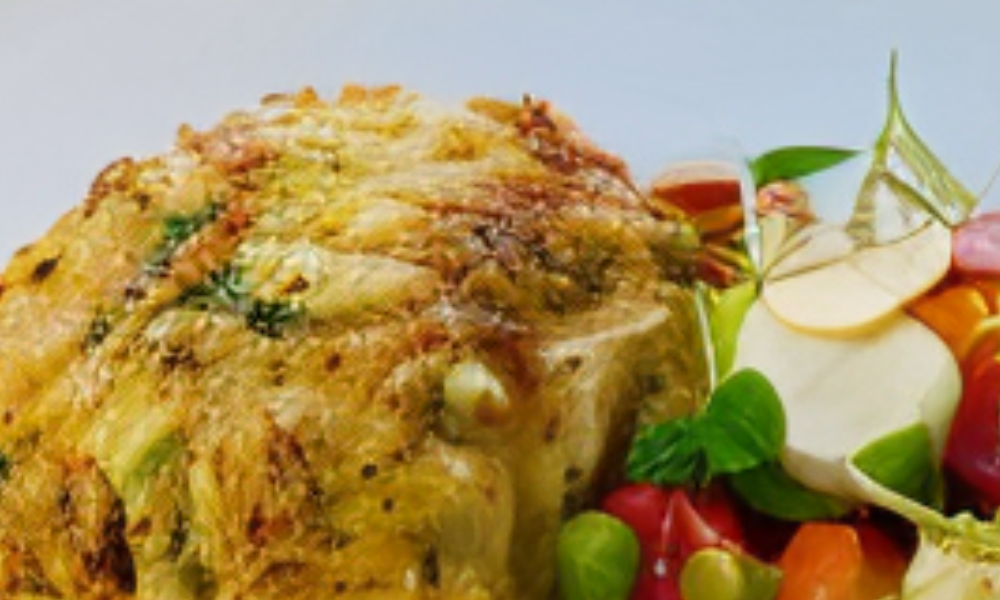

I thought “potato-crusted fish” meant delicate Michelin-level art.
Turns out?
First time I made it, the potatoes slid off like sad roof shingles, the fish overcooked, and everything tasted like salty despair.
When I finally followed Gordon Ramsay’s principle—texture first, seasoning second, simplicity always—this became a midweek cheat code for feeling competent again.
Why This Works (And Where Most Go Wrong)
The usual crash sites:
- Not squeezing the potatoes = soggy, floppy crust.
- Skimping on mustard = potato layer doesn’t stick.
- Under-seasoning = bland starch blanket.
- Overbaking = dry, chalky fish.
Gordon’s method:
- Mustard = glue + flavor.
- Well-seasoned potato crust = the flavor carrier.
- High oven heat = crisping fast, cooking fish gently underneath.
- Minimal handling = keep the layers undisturbed.
What surprised me:
You don’t need a dredge station. No eggs, no breadcrumbs. Just faith, carbs, and mustard.
Ingredients That Actually Matter
- Dehydrated Potato Shreds: Instant potato hashbrowns = faster, easier, drier than fresh.
- White Fish Fillets: Halibut if you’re fancy, cod or tilapia if you’re real.
- Dijon Mustard: Tang + binding. Yellow mustard is not the same.
- Lemon Pepper Seasoning: Adds brightness without squeezing actual lemons.
- Olive Oil: Helps crisp the top without frying.
🧠 Mistakes I made:
- Forgot to drain the potato shreds well = mush city.
- Skimped on mustard = crust slid off like a bad toupee.
- Used no seasoning in the potato mix once = tasted like drywall.
How To Make Gordon Ramsay Potato Crusted Halibut
Line it up first:
Rehydrate. Drain. Season. Crust. Bake. Pretend you planned it all along.
Rehydrate the potatoes:
Cover potato shreds with hot water. Let soak for 10 minutes.
Drain very well — squeeze out extra moisture with your hands like you’re mad at them.
Mix the potato crust:
In a bowl, toss drained potato with flour, salt, pepper, dried parsley, and lemon pepper.
It should feel tacky but not wet.
Prep the fish:
Lay halibut (or cod, or tilapia) fillets on a greased or parchment-lined baking sheet.
Pat dry with paper towels.
Mustard the fillets:
Brush Dijon mustard thickly onto each fillet.
Don’t be delicate. This is your edible glue.
Crust and drizzle:
Pile the potato mix generously over the mustard-slathered fish.
Press down gently.
Drizzle olive oil lightly across the top.
Bake:
190°C / 375°F oven for 14–16 minutes.
Fish should hit 145°F / 63°C internal temp and flake easily.
Serve hot:
Squeeze over lemon juice or dunk into whatever sauce makes you happiest.
What Gordon Ramsay Says About This Dish
- “Texture drives flavor.”
Crunch vs. flake is what makes this dish sing. - “Respect the heat.”
Hot oven = fast cook = juicy fish. - “Season everything individually.”
Potatoes need seasoning. Fish needs seasoning. No free riders.
First time I underseasoned the potatoes. Crust looked great. Tasted like nothing. Fixed it by being generous with salt, pepper, and lemon pepper inside the crust mix.
What I Got Wrong (And How I Fixed It)
- Problem: Crust slid off after baking.
Fix: More mustard. Drier potatoes. - Problem: Potato crust soggy.
Fix: Drain potatoes completely. Use less water when rehydrating. - Problem: Fish dry.
Fix: Bake hot, short time. Pull right at 145°F.
Variations That Actually Hold Up
- Spicy Version: Add a pinch of cayenne or smoked paprika to the potato mix.
- Herb Bomb: Mix in fresh chopped dill, parsley, or chives into the potatoes.
- Garlic Hit: Rub crushed garlic into the mustard before adding the crust.
Don’t:
- Swap yellow mustard for Dijon. It’s not aggressive enough.
- Use thick frozen fillets unless thawed completely — messes up cook timing.
Pro Tips That Change the Game
- Use parchment paper: Easier lift, less clean-up rage.
- Use the right potatoes: Instant hashbrown shreds work better than DIY grated.
- Air fryer leftovers: 375°F for 4–6 minutes = crispy magic.
- Crust edges first: Pile extra potato mix around edges where it crisps the best.
Storage + Leftover Moves
- Fridge:
Airtight container, 2 days max. Fish isn’t a long-hauler. - Reheat:
Air fryer or oven only. 190°C / 375°F until hot and re-crisped.
Leftover Magic:
- Flake into fish tacos.
- Top over a salad with vinaigrette.
- Stir into a quick fish cake mix with leftover mash.
FREQUENTLY ASKED QUESTIONS
Q: Can I skip the mustard?
Honestly, no. It’s essential for sticking and flavor. If desperate, try mayo.
Q: Can I use fresh potatoes instead of dehydrated?
Yes, but squeeze the absolute life out of them after grating. Otherwise: mush city.
Q: Can I bake straight from frozen fish?
Technically yes, but it’ll waterlog the crust. Thaw properly for best results.
Q: Is this healthy?
It’s oven-baked, not fried. You get crunchy payoff without oil-drowning.
Try More Recipes:
- Gordon Ramsay German Potato Salad Recipe
- Gordon Ramsay Potato Crab Salad Recipe
- Gordon Ramsay Salmon Smashed Potatoes Recipe

Gordon Ramsay’s Potato Crusted Halibut Was My Midweek Reset
Course: DinnerCuisine: BritishDifficulty: Easy4
servings10
minutes15
minutes299
kcalFlaky white fish baked under a crispy, tangy potato crust. Easy, fast, and oddly satisfying.
Ingredients
120g dehydrated potato shreds
Hot water (enough to cover)
30g all-purpose flour
2g kosher salt
2g black pepper
1 tbsp dried parsley
4g lemon pepper seasoning
680g halibut or white fish fillets (cod/tilapia work)
30g Dijon mustard
30g olive oil
Directions
- Cover potatoes with hot water. Soak 10 minutes. Drain and squeeze dry.
- Preheat oven to 190°C / 375°F.
- Mix drained potatoes with flour, salt, pepper, parsley, lemon pepper.
- Lay fish fillets on greased baking sheet. Pat dry.
- Brush Dijon mustard thickly onto fish.
- Pile and press potato mixture onto each fillet.
- Drizzle lightly with olive oil.
- Bake for 14–16 minutes until fish hits 145°F / 63°C.
- Serve hot with lemon if desired.
Notes
- Use parchment paper: Easier lift, less clean-up rage.
- Use the right potatoes: Instant hashbrown shreds work better than DIY grated.
- Air fryer leftovers: 375°F for 4–6 minutes = crispy magic.
- Crust edges first: Pile extra potato mix around edges where it crisps the best.
- Crust edges first: Pile extra potato mix around edges where it crisps the best.

Zaytouna Studio Team is the kitchen team behind Chef Ramsay Recipes. We cook Gordon Ramsay’s recipes from his cookbooks and videos in a home kitchen and write them up for yours, with US and metric measurements.